Presbyterianism… With an African Flair

A few Sundays ago I was asked by the Rafiki village administrator, Debbie, to join her and the two other mini-missionaries for worship at her church. How kind. Of course, I wanted to attend my first African worship service, but then I found out that it begins at 7 AM. Yes, you read that correctly- 7 A.M. So on my day off I had to get up early.

As “Madam Debbie’s” bungalow is literally 100 feet my my house, the walk over to her house for the ride to church wasn’t extensive. We arrived at her house at 6:30 for the drive to church. The church we attended was the Katawa congregation of the CCAP. That’s the Church of Central Africa, Presbyterian. Check out their website. You’ll see they’re very Reformed.
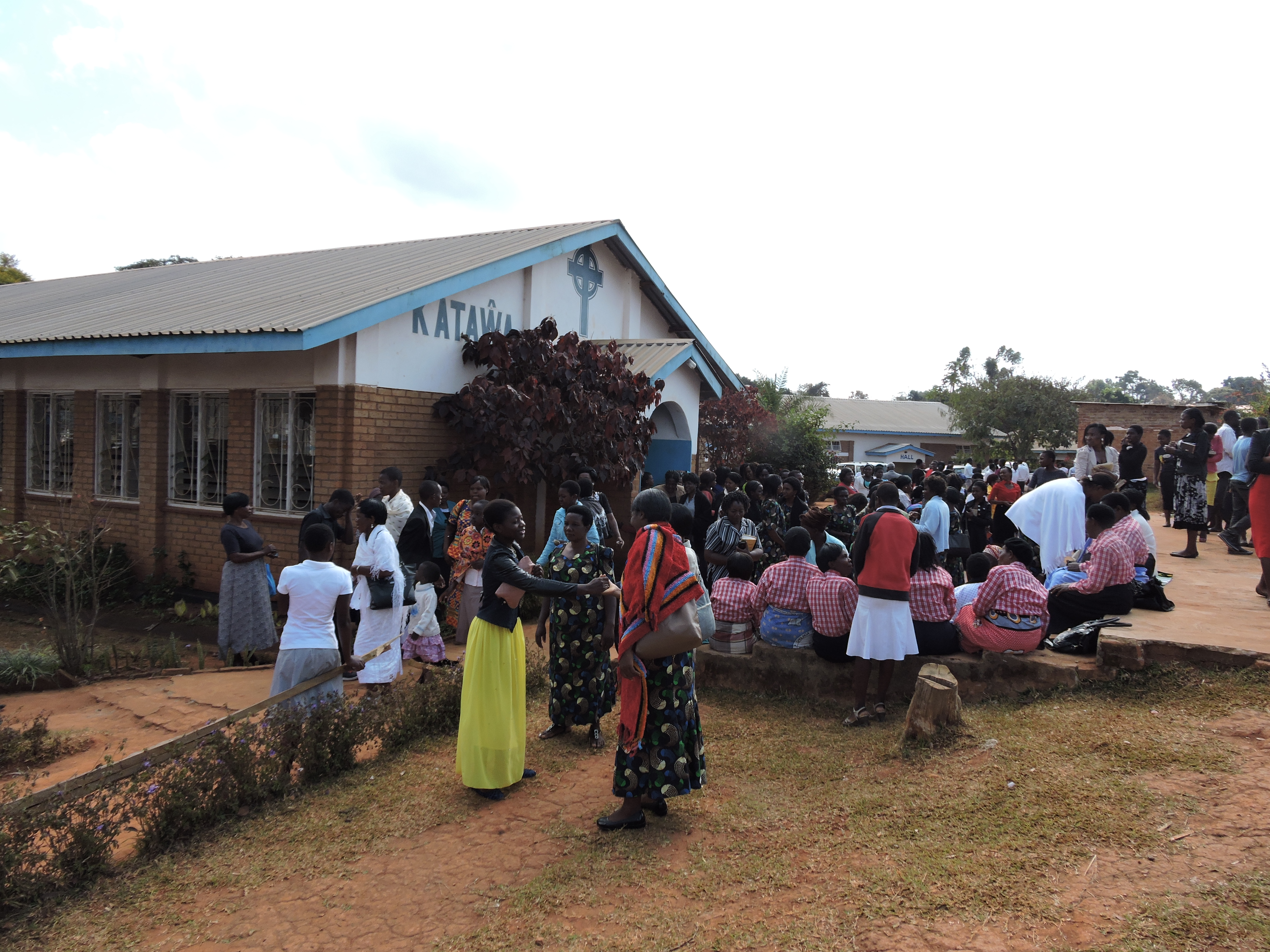
DSCN0343 DSCN0344

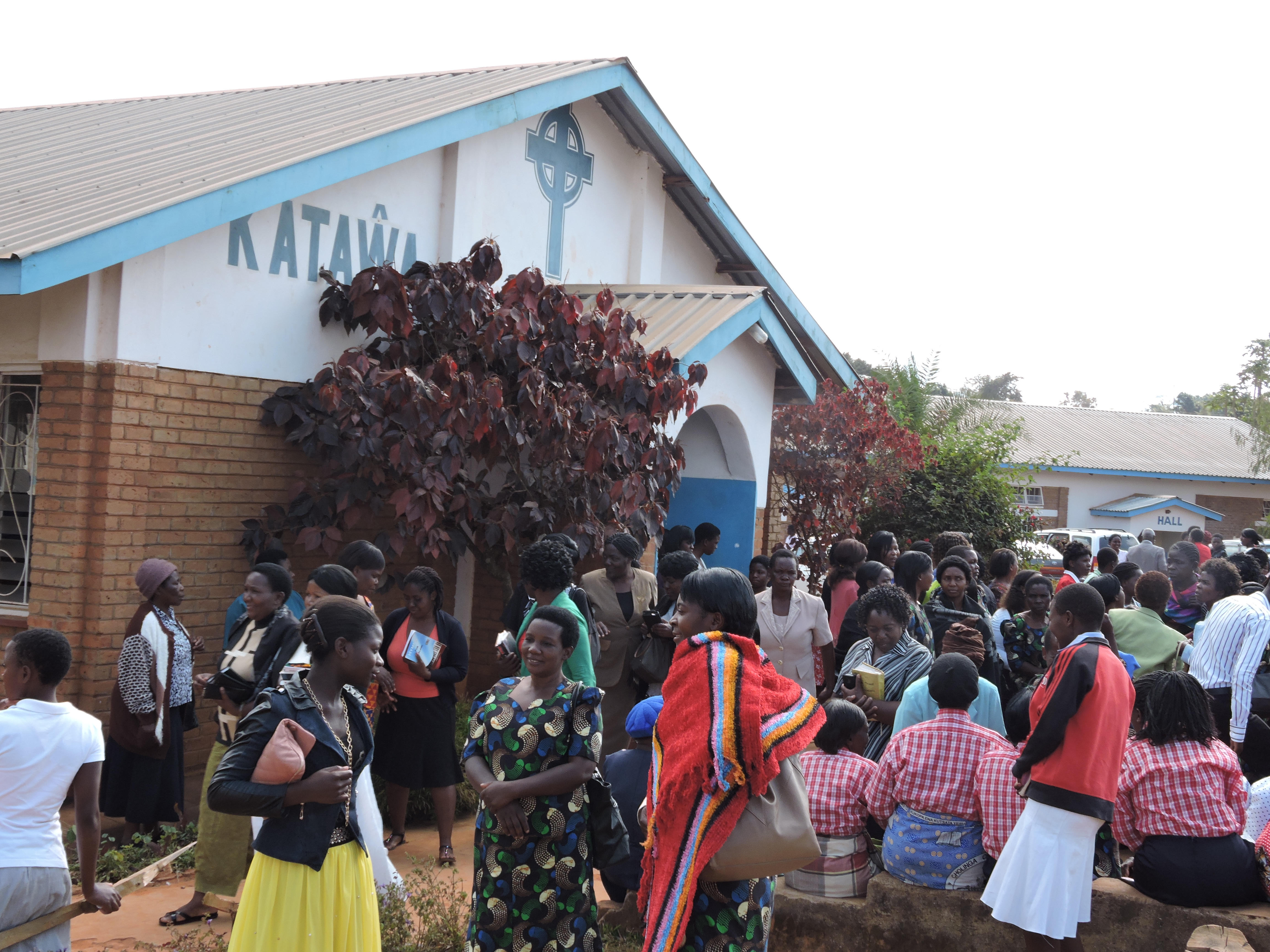
Above: Photos the the congregation and their building, which was packed to the rafters!

Due to the high cost of paper and pens, the entire church “bulletin” is read out. That takes a while. There were three (yes, three) different choirs that sang, lots of prayers (most of which I could only understand about a third due to their accent and my inability to follow it), three hymns, a few greetings of those around us, and a fairly basic sermon that began two hours after the service began. The entire service lasted over 2 and 1/2 hours. There are three services each Sunday here. One traditional English (the one I attended), one in Tumbuka (the common language in these parts), and one that is contemporary (English).

When we took our seats at 6:50, there were about 50 people in the building. By 8 AM (yes, an hour after it started, people were still arriving), I’d estimate that over 400 people were there. And there are scores of CCAP churches in this part of Malawi. You can certainly see that the church is growing in Africa!

Of course, I wanted badly to video the wonderful singing from the choirs, including their amazing hand and body choreography, but I was worshipping God with my brothers and sisters, not making a documentary.

The choirs danced from their seats to the front of the church and back again! I was in full culture shock!

Prior to the service, I did take the opportunity to video these two groups preparing for the service. This should give you a taste of the amazing time we all had worshiping God that Sunday.

Experiencing the Capital of Malawi

Goodbye Malawi.

One mini missionary’s flight was Sunday at 3AM, mine wasn’t until Monday at 1 PM, so the Renners, Annie and I took a road trip down to the capital of Malawi, Lilongwe. Just a short five hour drive. So the Renners and I spent two nights in the capital. Did a little exploring…

Check-out the first real African animal I saw. On the drive to Lilongwe we saw monkeys fall out of a tree! We stopped by the road and I took this photo from the other side of the car.

DSCN0718 (1)

DSCN0714 (1)

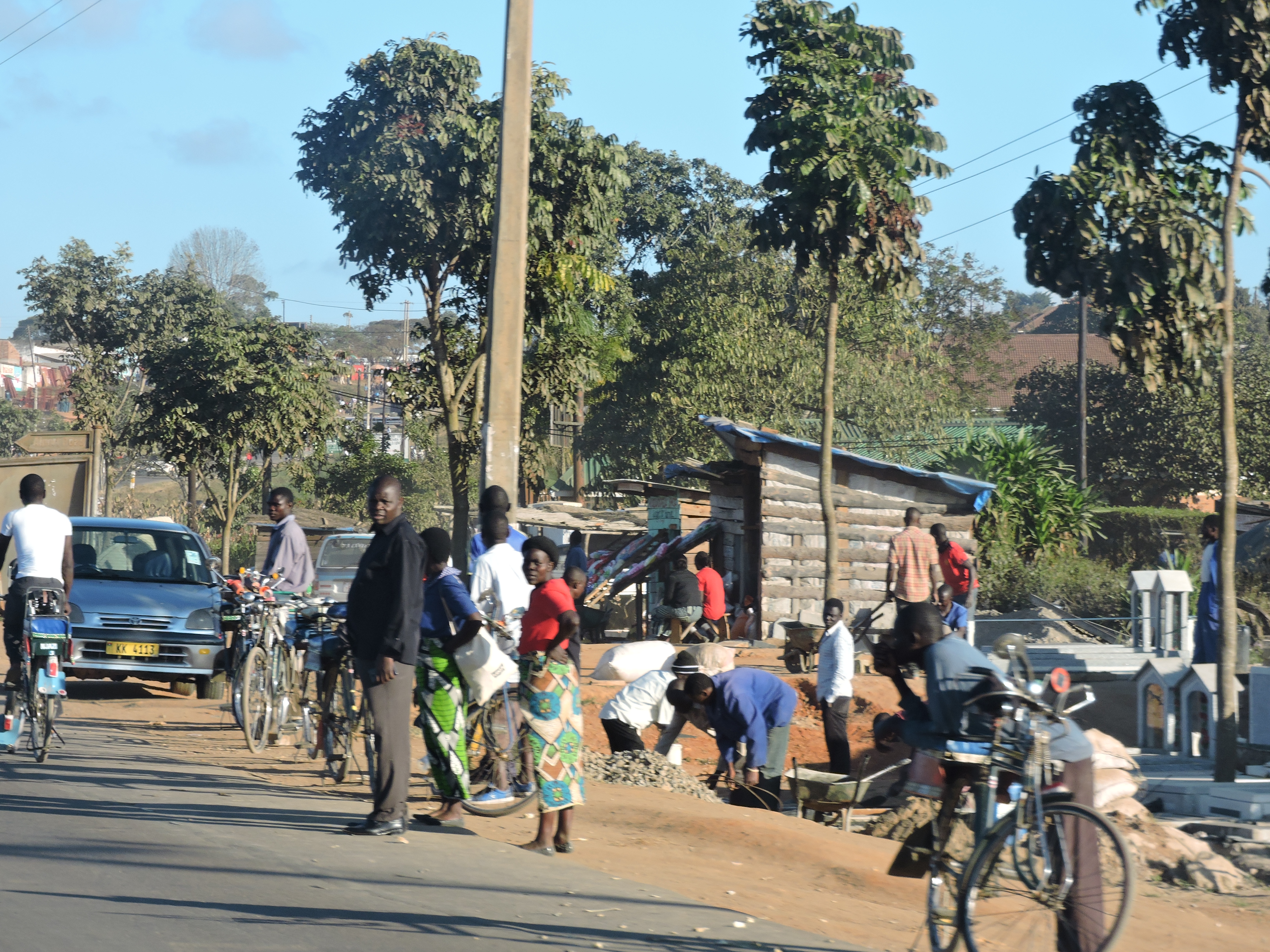
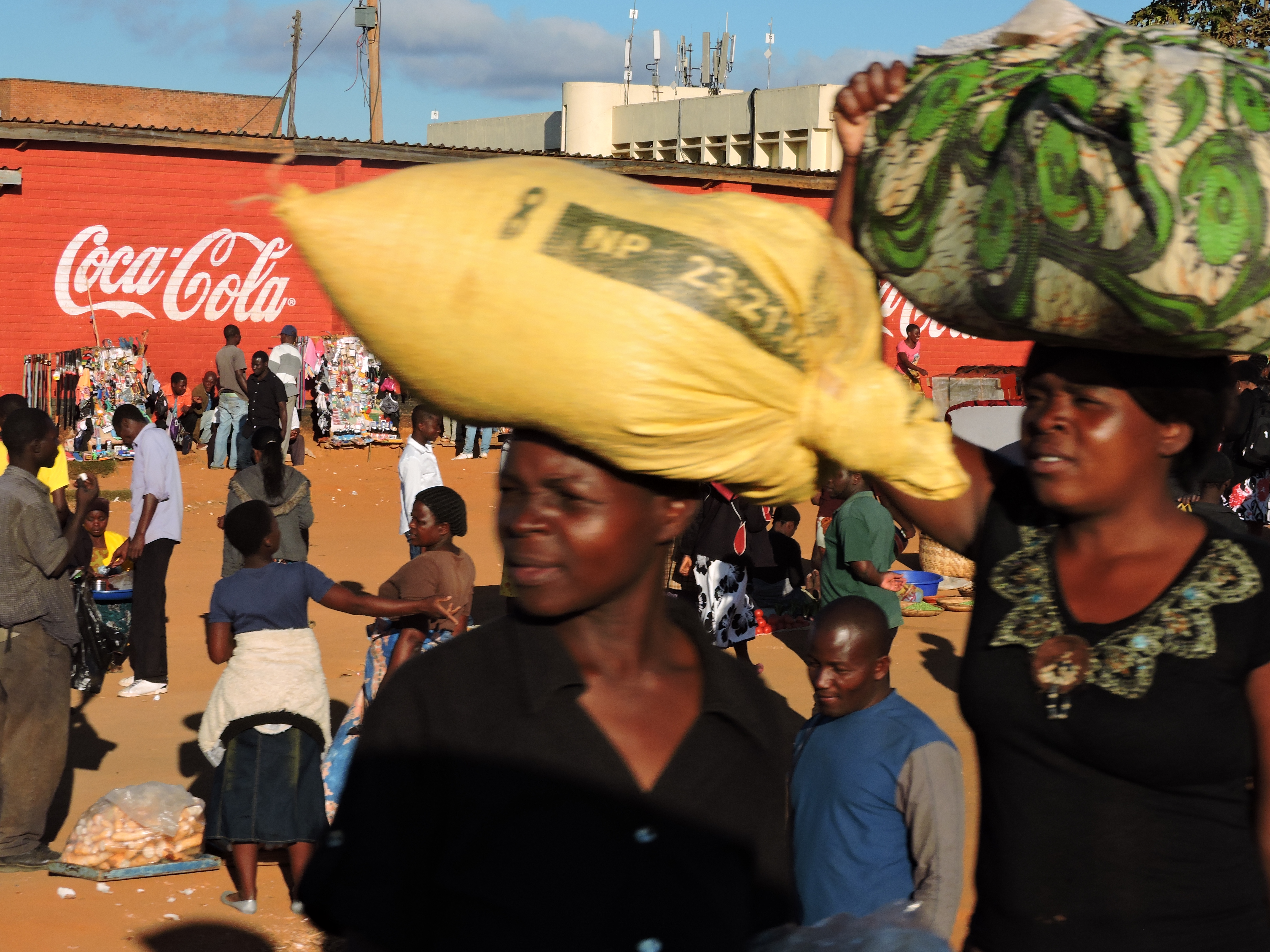
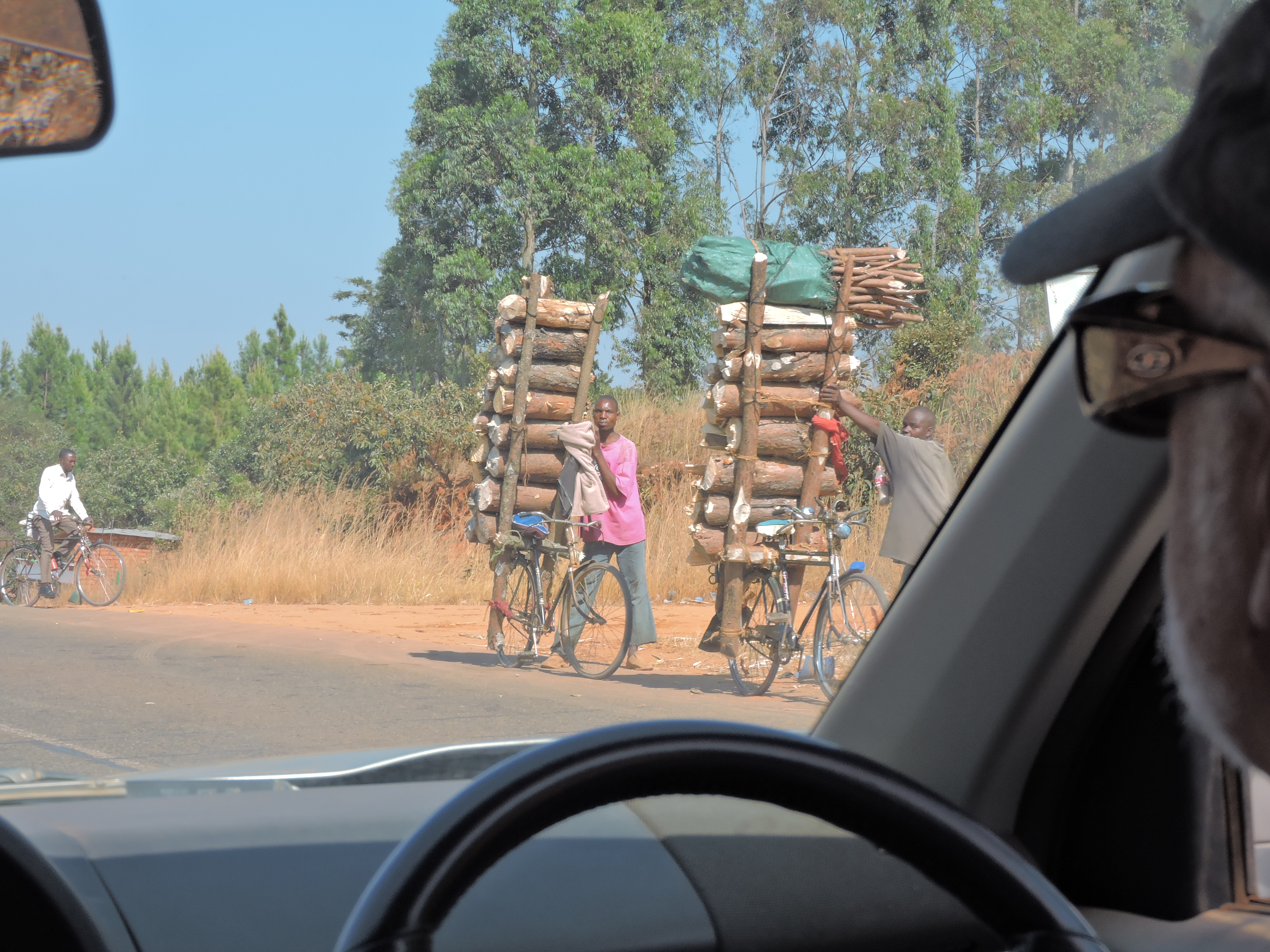
Finally got a photo of a typical scene on the road in Malawi. People pile on high loads on their head or on their bikes.

DSCN0726Everything looked familiar until I noticed it, right between the milk scones and queens cake, the zitumbuwa. Say what?

DSCN0730

Above, this is our hotel in Lilongwe, The Sunbird Capital Lilongwe

DSCN0731

And across the street is this new, inexplicably ultra modern five-star hotel, The President Walmont. Just what one of the poorest nations in the world needs!

DSCN0740

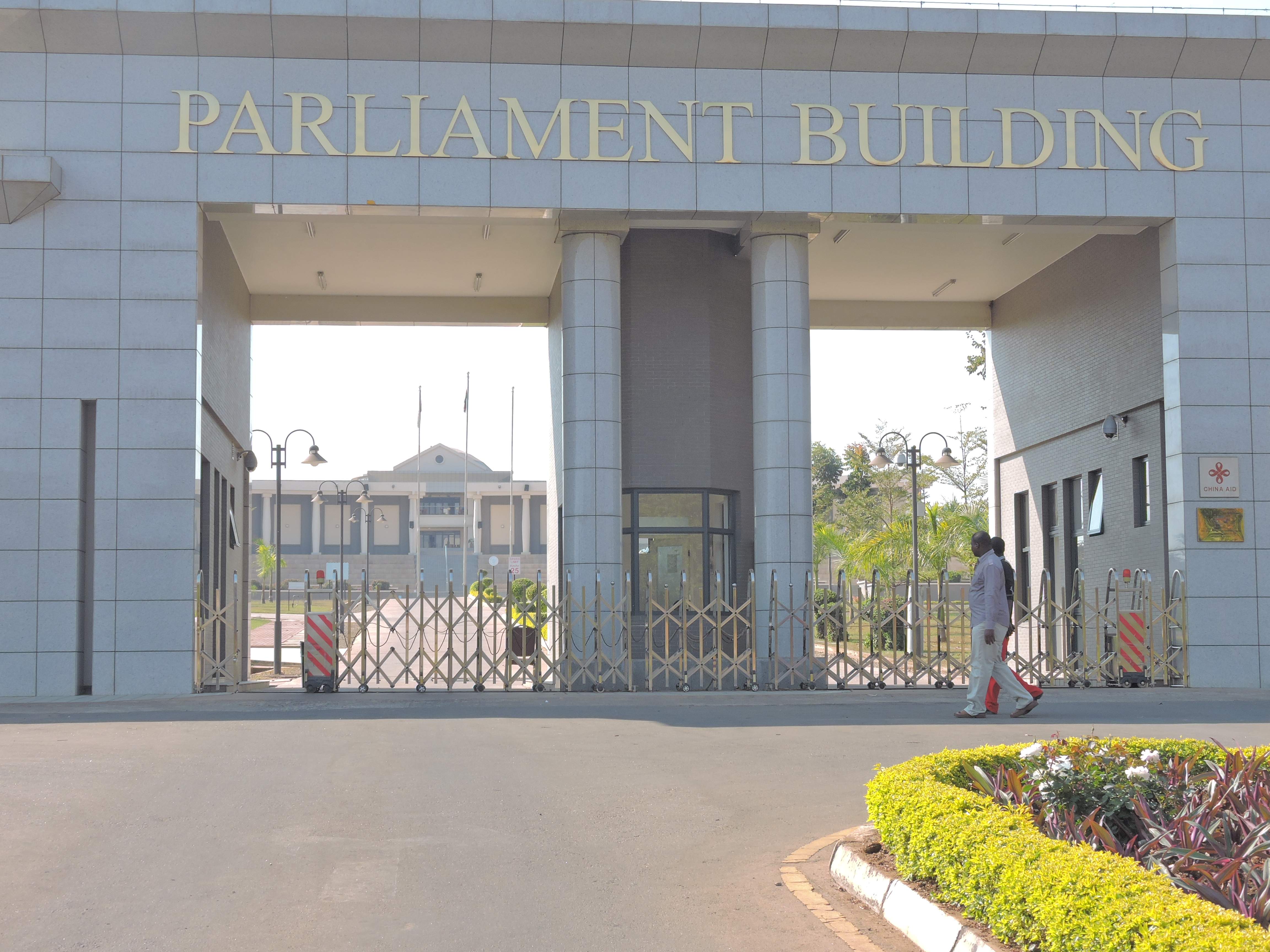
above: Here’s a photo of the Chinese built legislative building in one of the poorest nations in the world.

DSCN0733

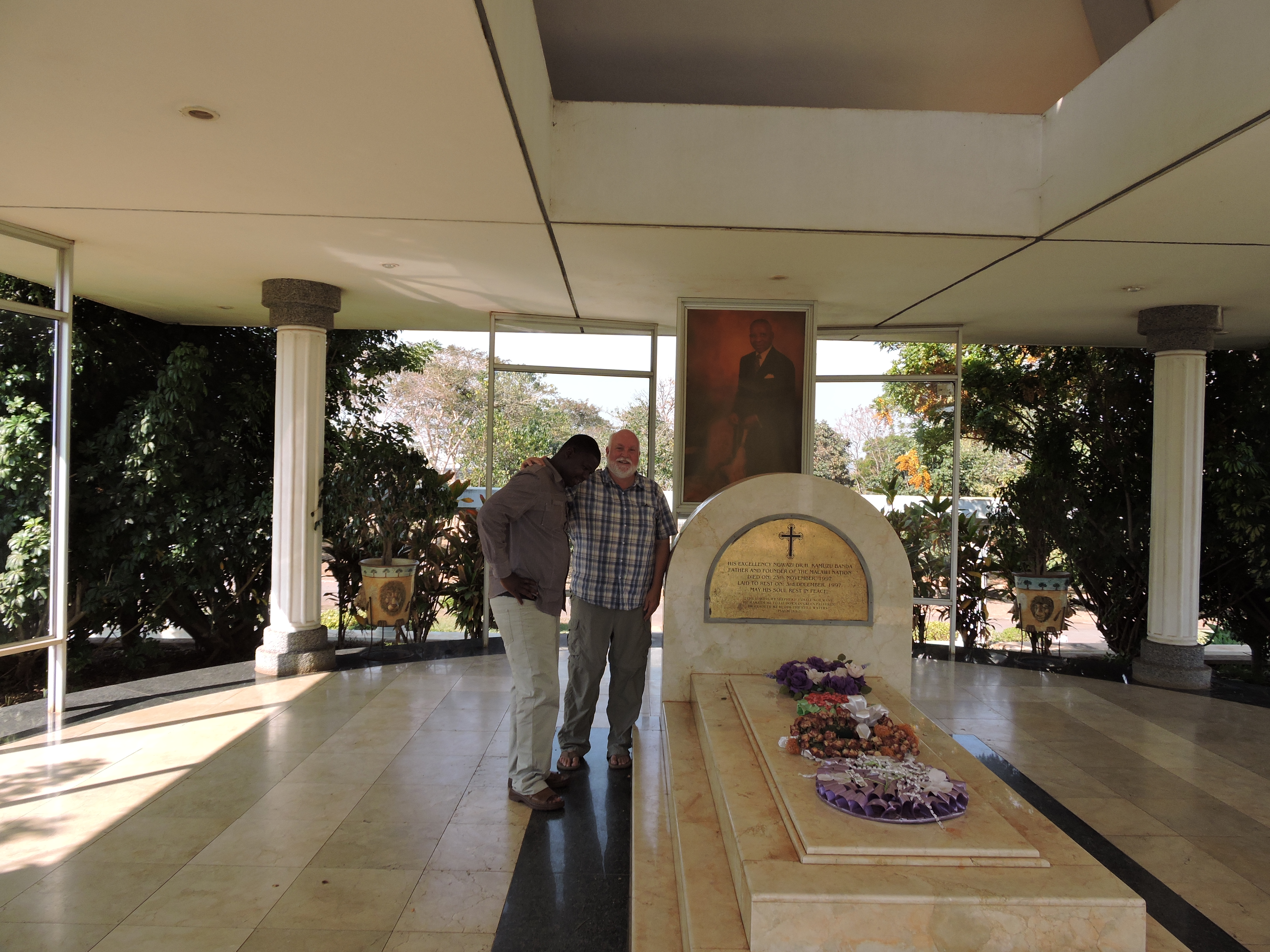
While visiting the open-air mausoleum of Malawi’s first president, this random guy insistent that his friend take our photo. He bowed to the grave- I smiled uncomfortably.

DSCN0754

Above: Love these overly polite English-style signs

DSCN0757

Enjoyed a lovely time with the Renners- Here at Mama Mia’s Italian restaurant

DSCN0762

This is the plane from LLW to JNB- Rather than us just walking over to it, we had to take a 45 second bus ride.

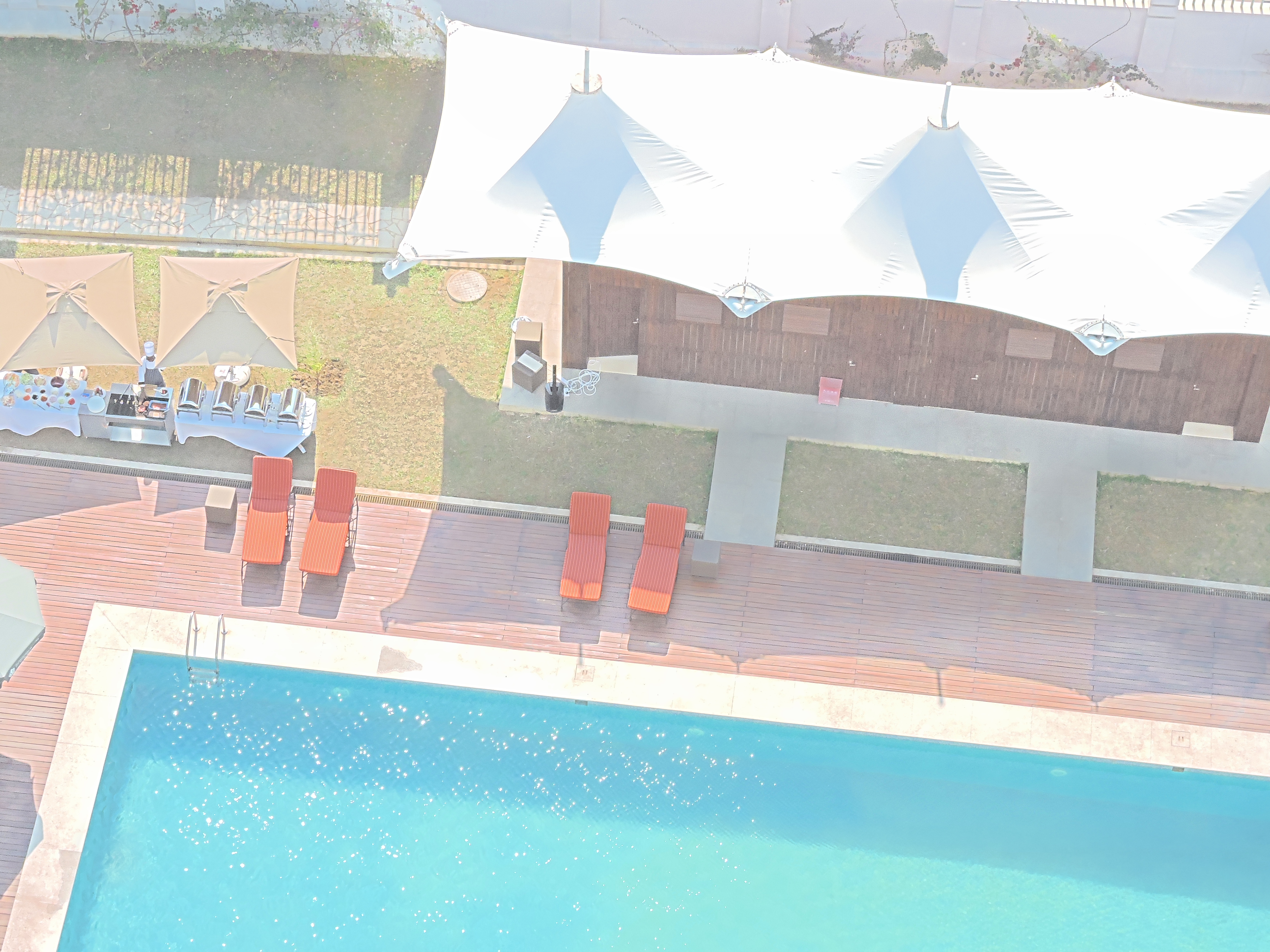
And now, for my artsy friends, an artsy photo taken from an open window on the top floor of the President Walmont Hotel, Lilongwe.

DSCN0747

Goodbye Mzuzu

Yes, it’s time. My short three weeks here at Rafiki Village Mzuzu are over. Today I leave for Lilongwe to catch a plane to JoBurg, South Africa on Monday for the next chapter in the SAoRS.

It’s been amazing here.

I’ll miss…

  • The wonderful orphans and day students at school
  • Having lunch and dinner with our students in the dining halls
  • visiting the cottages of the resident orphans
  • helping the godly resident staff
  • substitute teaching Bible, history, language arts, and computers
  • the wonderful weather (although it’s identical to a San Diego winter)
DSCN0302
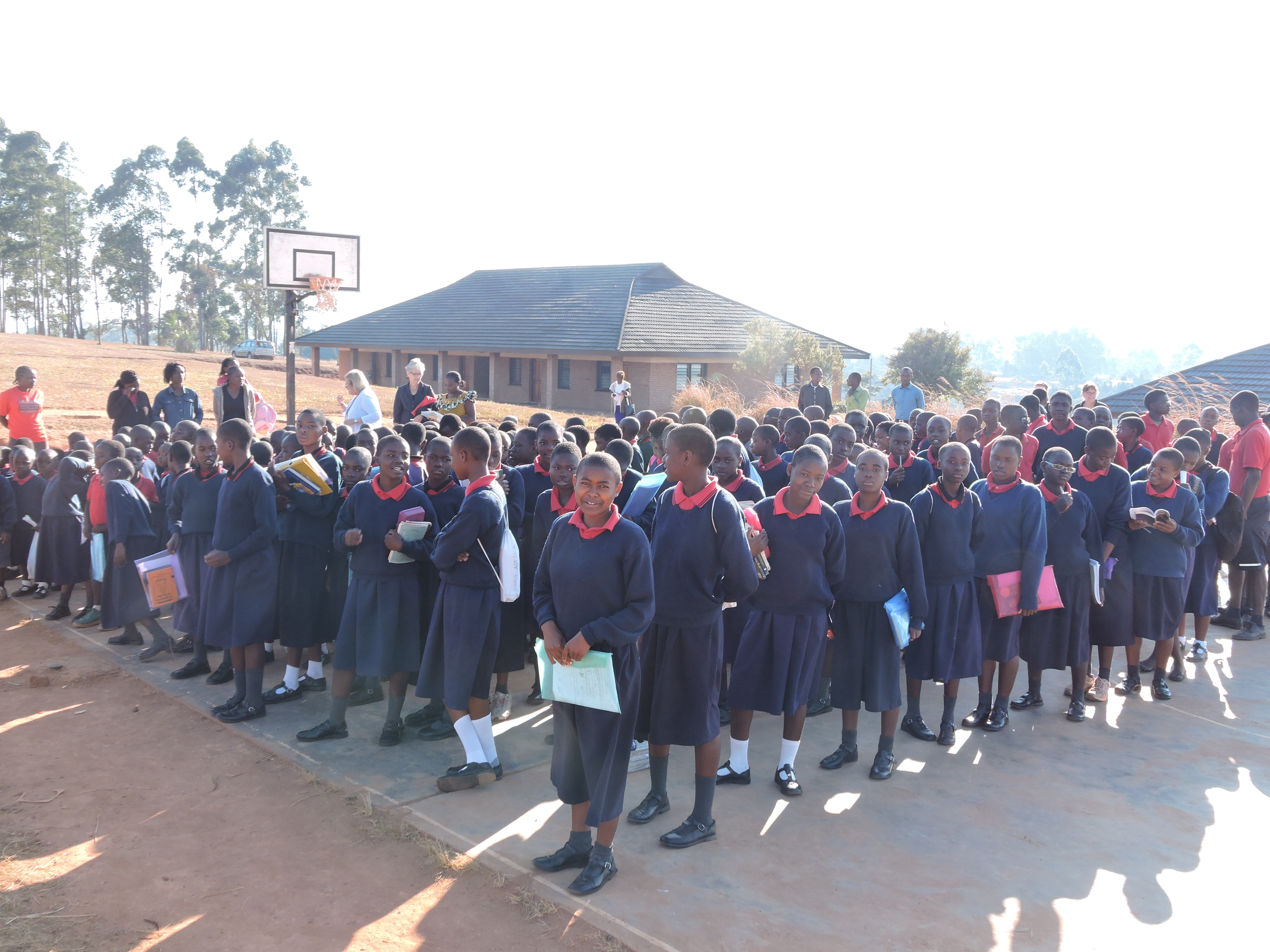
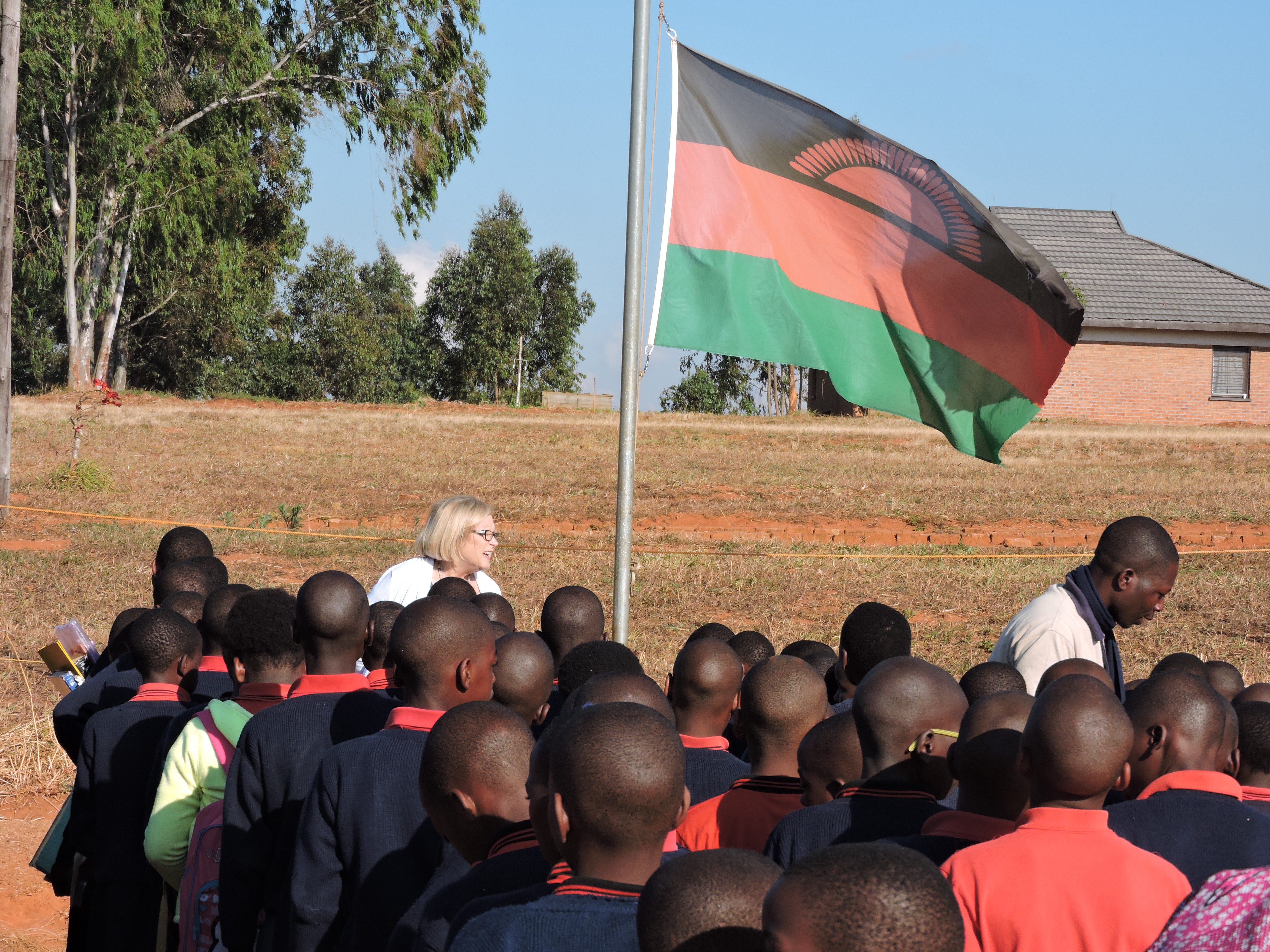
Every school day at 8AM everyone meets on the “pad” for announcements, singing of the national anthem, and prayer. Madam Debbie leads the school with professionalism and Christian virtue.
DSCN0298
Daily, all the students begin the day on the “pad.” Here’s what almost 200 Rafiki School students look like.
DSCN0671
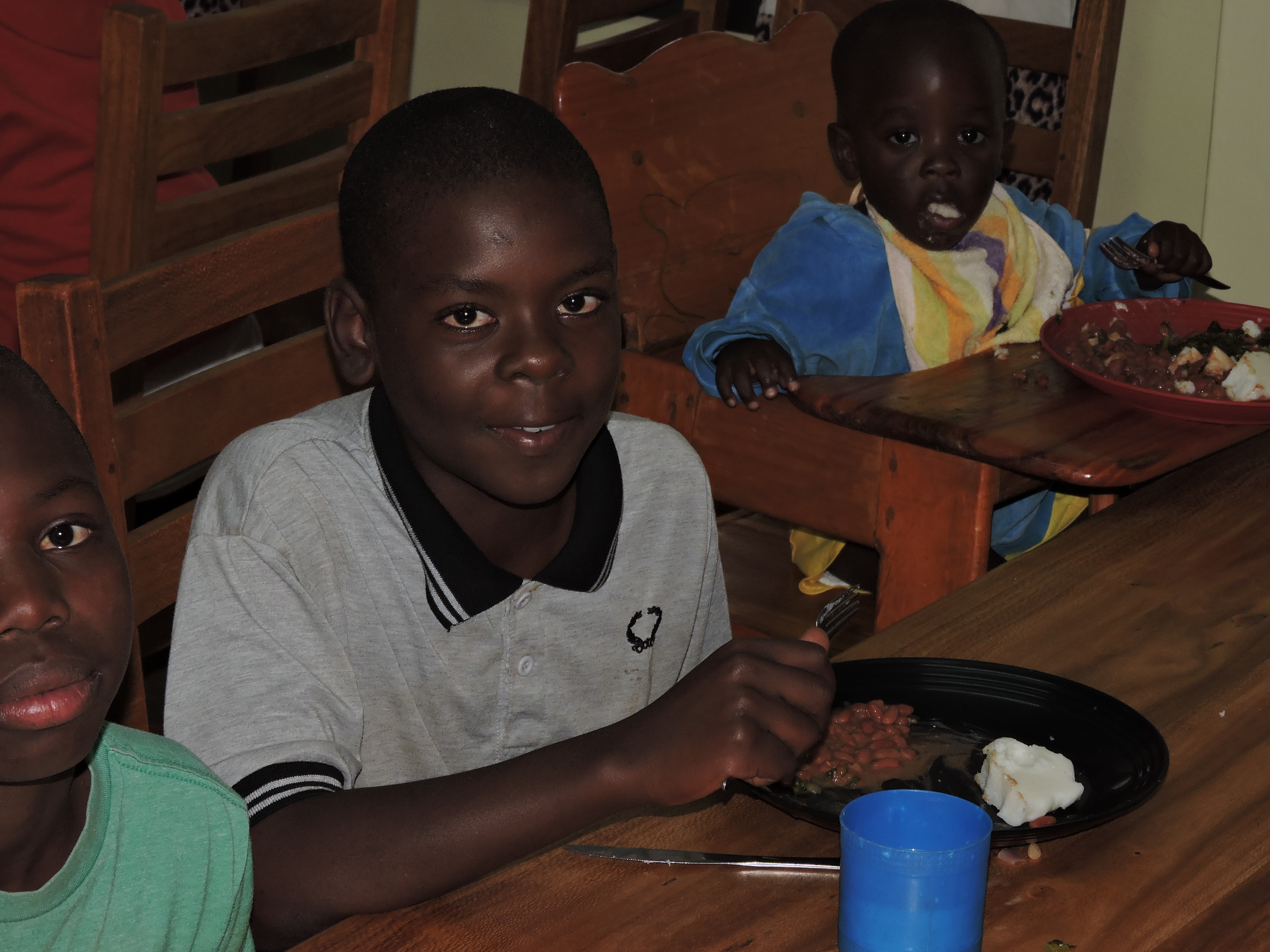
You can see the blessing Rafiki has been to this orphan boy by just looking at him.

There are more posts to come from Rafiki. Once I have access to faster internet, I’ll be uploading videos into some new posts. They’re coming soon.

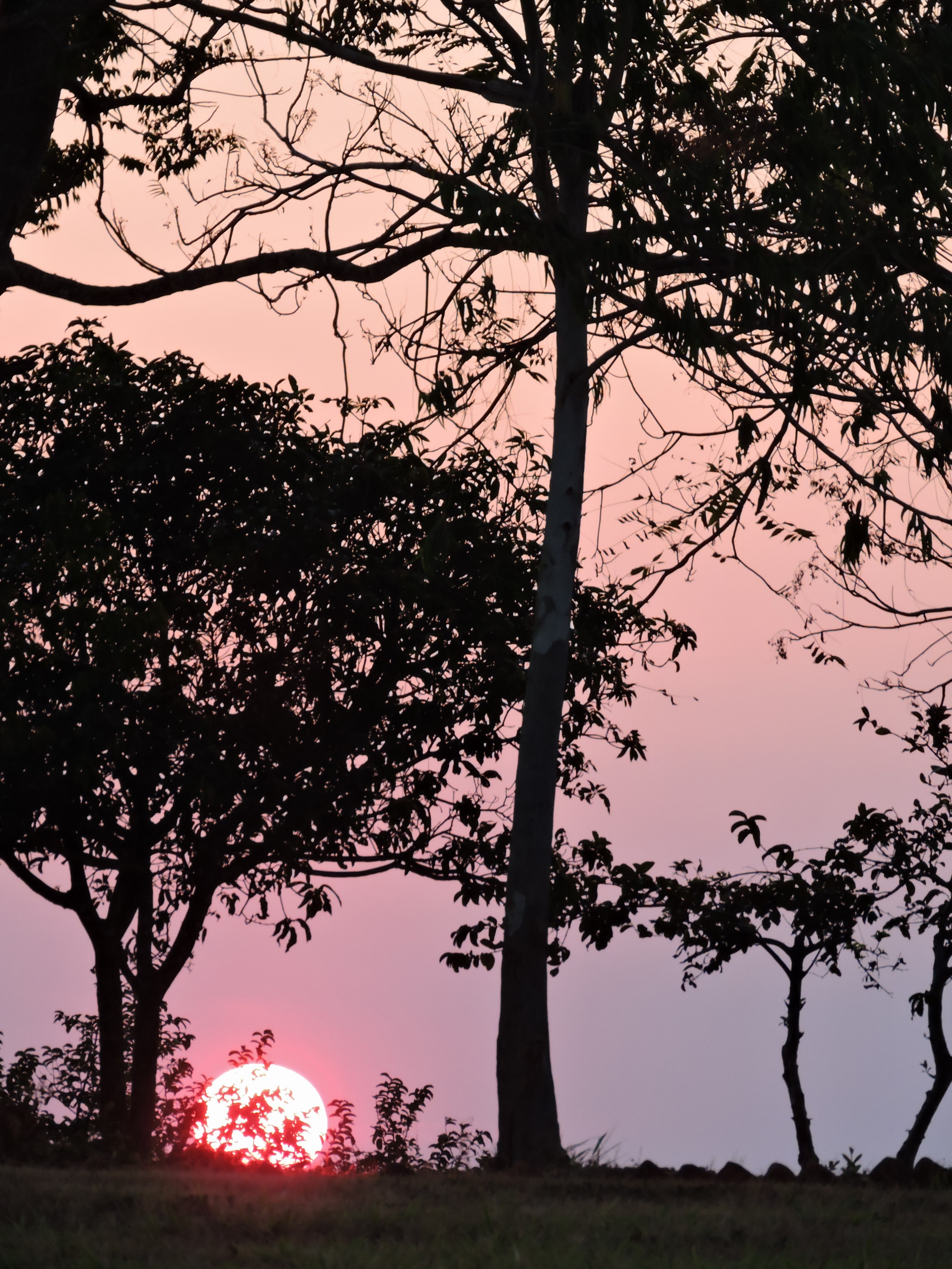
Sunset from Rafiki Village. My last evening here. Bittersweet.

“All Work and No Play…”

DSCN0347This afternoon I was invited by the Rafiki Village Plant Manager, Larry, to join him for a game of golf. That’s right- golf in Mzuzu, Malawi. It was perfect weather, as has been the case every day for the past two weeks- sunny and in the low 70s. Hard to believe it’s this nice when your less than 800 miles from the Equator.
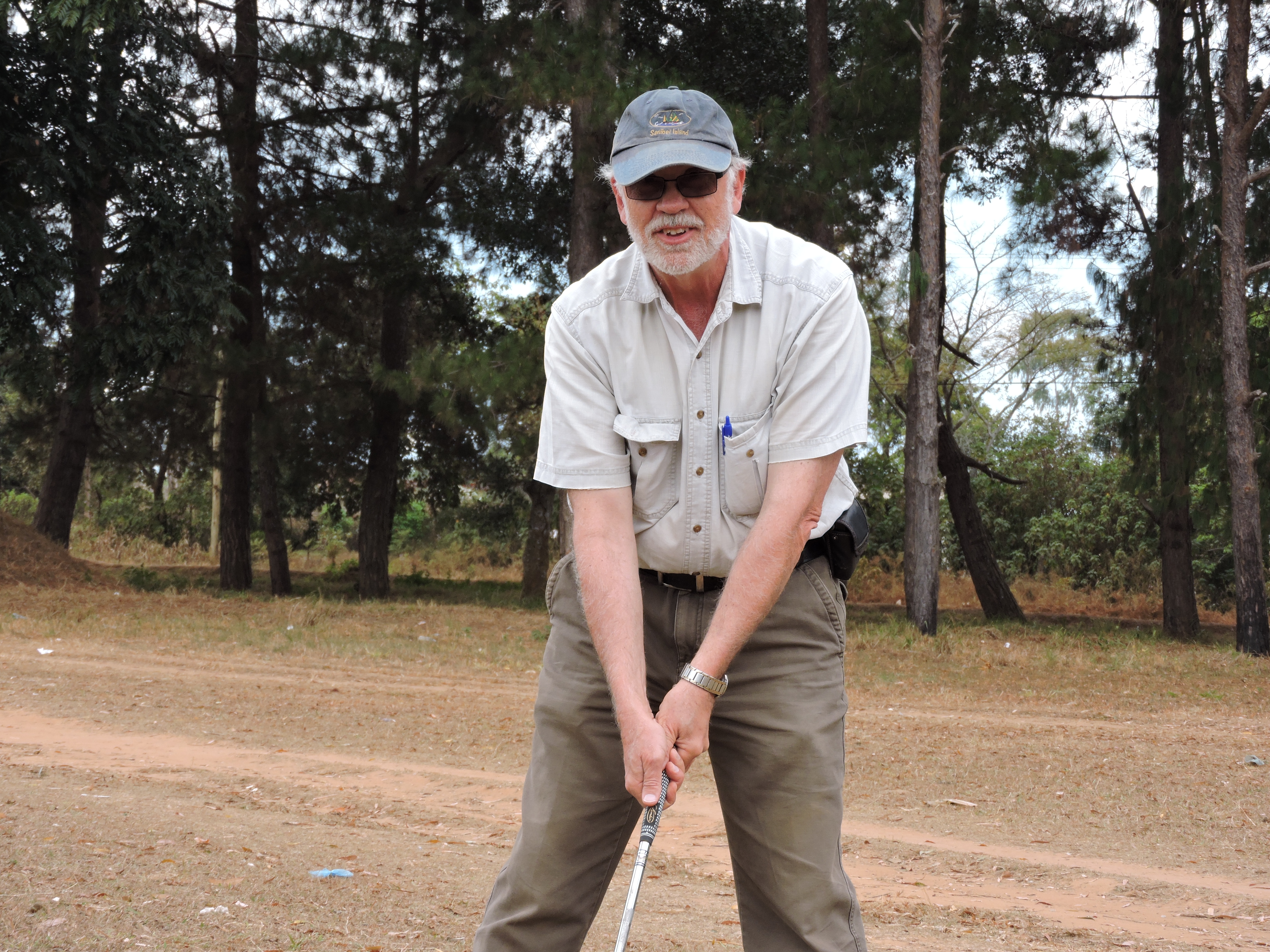
It was a fun time doing nine holes. But there were some challenges. For instance, the course is now used as a informal park and trail network by the community. So you’re trying to golf over peoples’ heads. Moreover, there was a small group of children who followed us along the way, all wanting to be paid at the end of our round.

I paid “greens” fees, rented clubs, hired a caddie, and paid for my part of the rest of our unwanted entourage- all for about $10. (“greens” in quotes because there was essentially no green on this course)

The course was hardly regulation. There was trash everywhere. And the putting greens were made of sand (see photos). One tee-off location actually had a few fires burning on it (see photo). This apparently is a Malawi thing. They love to burn stuff. You see it all over the place (and smell it constantly as well).

DSCN0362

Yes, those are fires burning as Larry tees off.

—————————————————————————

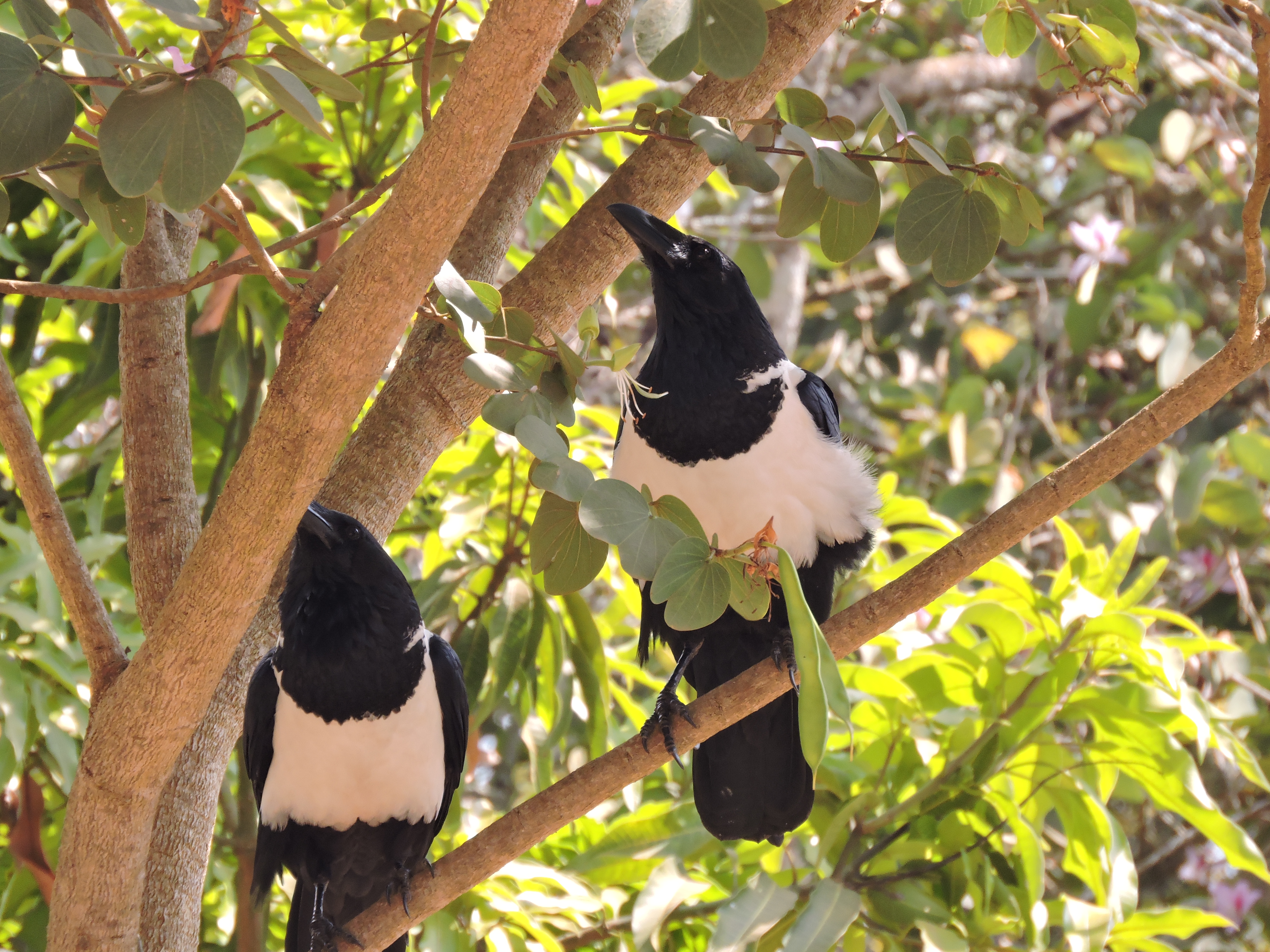
Random non sequitur in the middle of this post: We saw some pied crows in the trees at the golf course. Putting the new Nikon P600 to the test.

DSCN0350

———————————-

DSCN0352

“Uncle Larry” looking good

——————————————————-

DSCN0356

This is yours truly putting on sand. No putting green here, just a sand-trap with a hole!

Along the course- right in the middle of the fairways- were people playing soccer, drinking and just hanging out. I was a little concerned that I would hit someone with a ball, but everyone dodged well enough.

Certainly one of the most interesting golf experiences I’ve ever had. All in all, a relaxing Sunday afternoon.

Malawi is always surprising.

RICE Isn’t Just for Lunch and Dinner Anymore

Pardon my pun with rice. Yes, rice is popular here  In fact, kids love to tell you their favorite foods and rice seems to be #1- even more than the national dish of nsima. Go figure.

But what this post is about is the Rafiki RICE program. RICE stands for Rafiki Institute of Christian Education. And it’s the natural next step after Rafiki’s orphanage’s classical christian education program. The plan being, once children are finished with their secondary education, what to do? Some will go on to university, some to trade schools, and some directly into the work force. But having so many well educated young people- educated in understand God’s Word and world, it makes natural sense to train these folks to start their own community schools. So RICE is like a teachers’ college.

This past week, I’ve conducted a basic computer class with the RICE students. In my classes we’ve go over the basics of computers, with a special emphasis on learning and using Microsoft Excel (you techies may be asking, “hey, that’s old hat- why aren’t they using Google apps?” Well, remember, they don’t have the internet here much. And what they have is painfully slow and expensive. Technology is 30 years behind. No fast internet, no Google apps). We built spreadsheet models to determine the economic viability of starting and conducting a school.

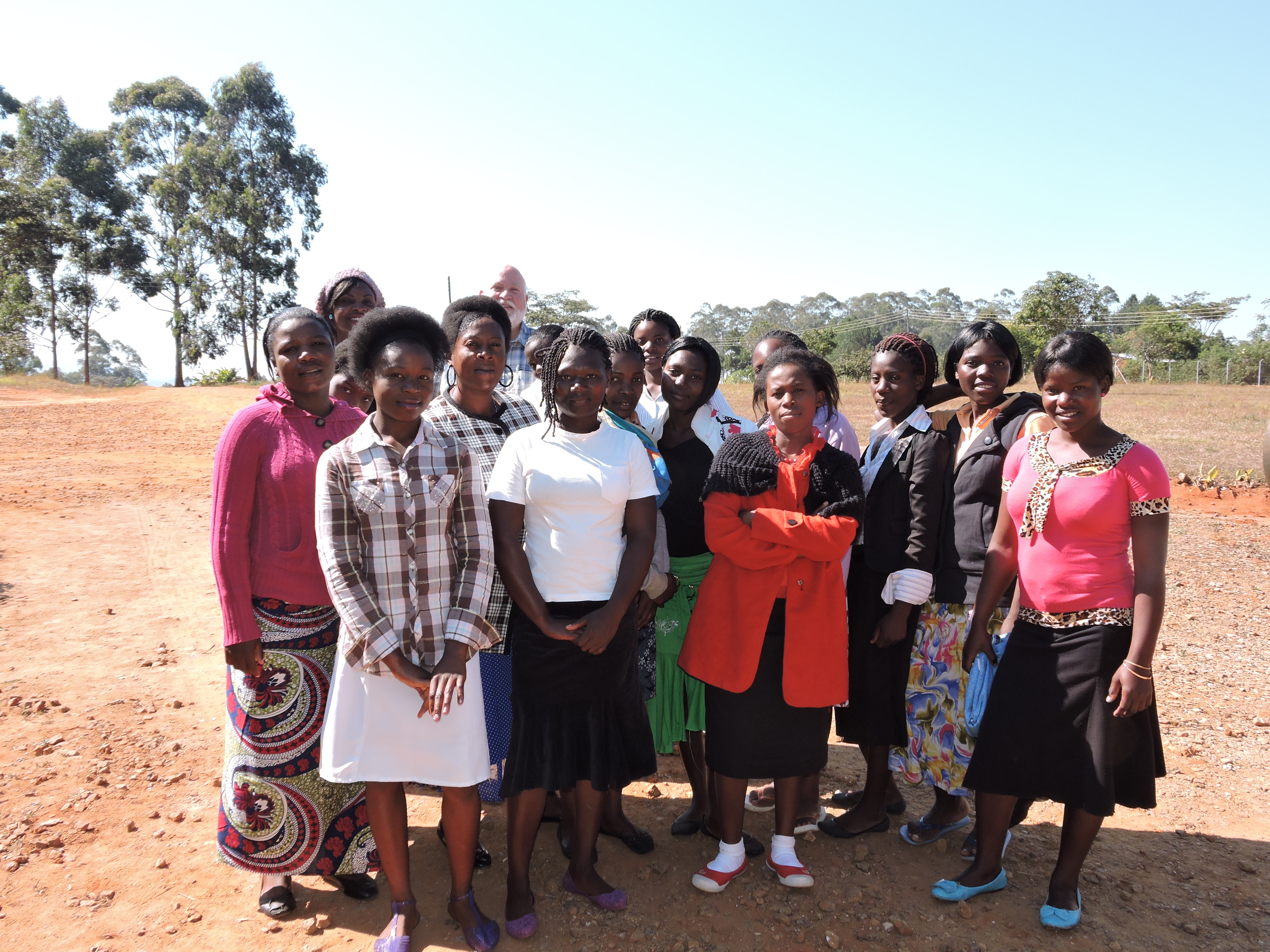
Of course, this is just in the initial years of the program. But Rafiki is getting ready. The photos below show the current students (affectionately known as the Rice Girls). They are under the tutelage of Madam Jane, a missionary from Lexington, Virginia.

DSCN0334

The goal is to have these women start their own classical Christian schools in their villages across Malawi. It’s a great way to leverage the great Christian education they’ve been given and share the blessing with other Malawians.

Currently, the RICE program here is conducted in a small building with some classes held in the JSS building (Junior Secondary School- left [are you mirin my artsy photo now?]. DSCN0336

But very soon, a massive new building will be completed here on Rafiki’s Mzuzu campus (see construction photos below).

DSCN0326

DSCN0324

These workers are excavating the area on the side of the new RICE building. Yes, it could be done with a rented backhoe. But it was determined that it’s cheaper to do with manual labor (and it provides more employment, too!)

It’s all so exciting and amazing what God is doing in Africa!

Getting into the Groove

San Diego is over 10,000 miles away, but I feel right at home here. Everyone is very kind- the Americans, national staff, and the orphans.

Every school day begins with all the students and teacher at the “pad” for welcome and announcements by Madame Debbie Needham, the head of school; prayer; and singing the Malawi National Anthem. (Note about titles: from what I can gather senior female staff are “madam;” junior female staff are “auntie.” and all non-[regular] male teaching staff are “uncle”)

DSCN0300

I’ve been substituting for a variety of classes this week. I’m now doing Standard Sixth Bible and computer class for the RICE program (Rafiki Institute of Christian Education- Rafiki’s post high school program) every day, as well as Sixth Language Arts and Seventh Language Arts the last couple of day. The school goes from Pre-K to Eighth, then skips to the post-high school program, the aforementioned RICE. The curriculum here is of a classical Christian bent. For instance, the Seventh Graders are reading selections of the Epic of Gilgamesh. It was fun going over a section of the story with them. It’s quite complex in story and language so we explored many of the ideas in this ancient Sumerian tale (circa 2,000 B.C.). Tomorrow is a half day for students so the other two “minis” and I are taking the kids for the PM while the staff has an in-service. We plan to show a movie (Joseph: King of Dreams [cartoon version]) and have three activity games after: relays, four square, and limbo (maybe too much detail for this blog?)

I’ve been super busy these past few days. I am very happy for that. One of my concerns is that I would arrive here and they would have nothing substantial for me to do. Quite the contrary. Busy, busy, busy.

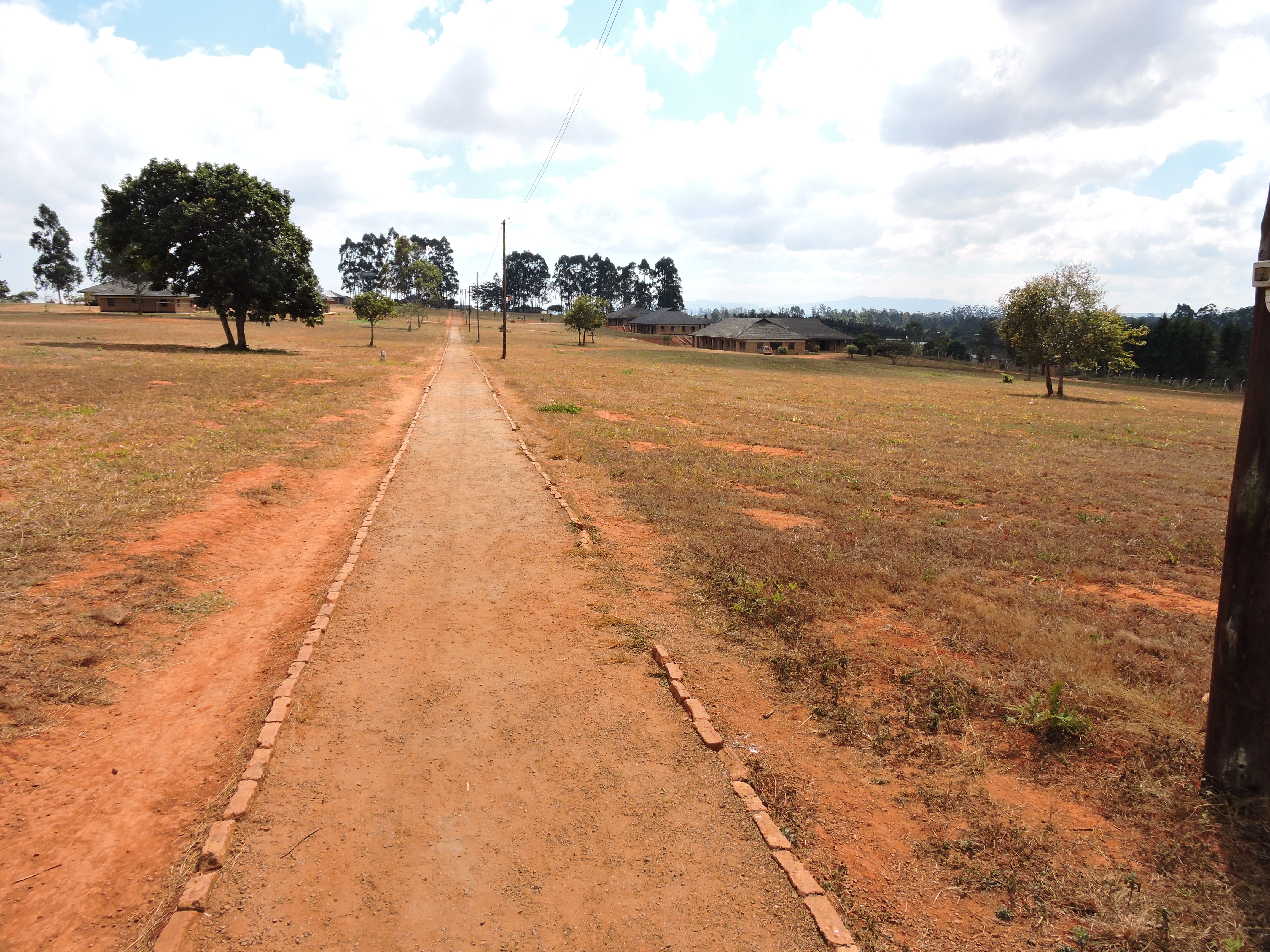
As I’ve previously mentioned, this campus is huge – 70 acres. My house is at one end of the campus and one of my classes meets at the other end. It literally takes ten minutes to walk there. This photo doesn’t do justice to the distance, but you get an idea.

DSCN0294

Above: This is half-way from my one class to my house- you can’t even see my house in the distance. The dining hall is pictured on the far right. Below: And this is taking with me turning and facing the other direction:

DSCN0293

Back to School . . . in July

DSCN0288The students’ three week break of G.A.M.E.S. is over (GAMES stands for Games, Art, Music, Enrichments).  You might be wondering why they have these three weeks of activities. Remember that the children here are all orphans, so they have no homes to go to at break time. The Rafiki village is their school, cafeteria, medical clinic AND home. To break-up the school year, Rafiki has four GAMES sessions each year away from the academic rigors of class.
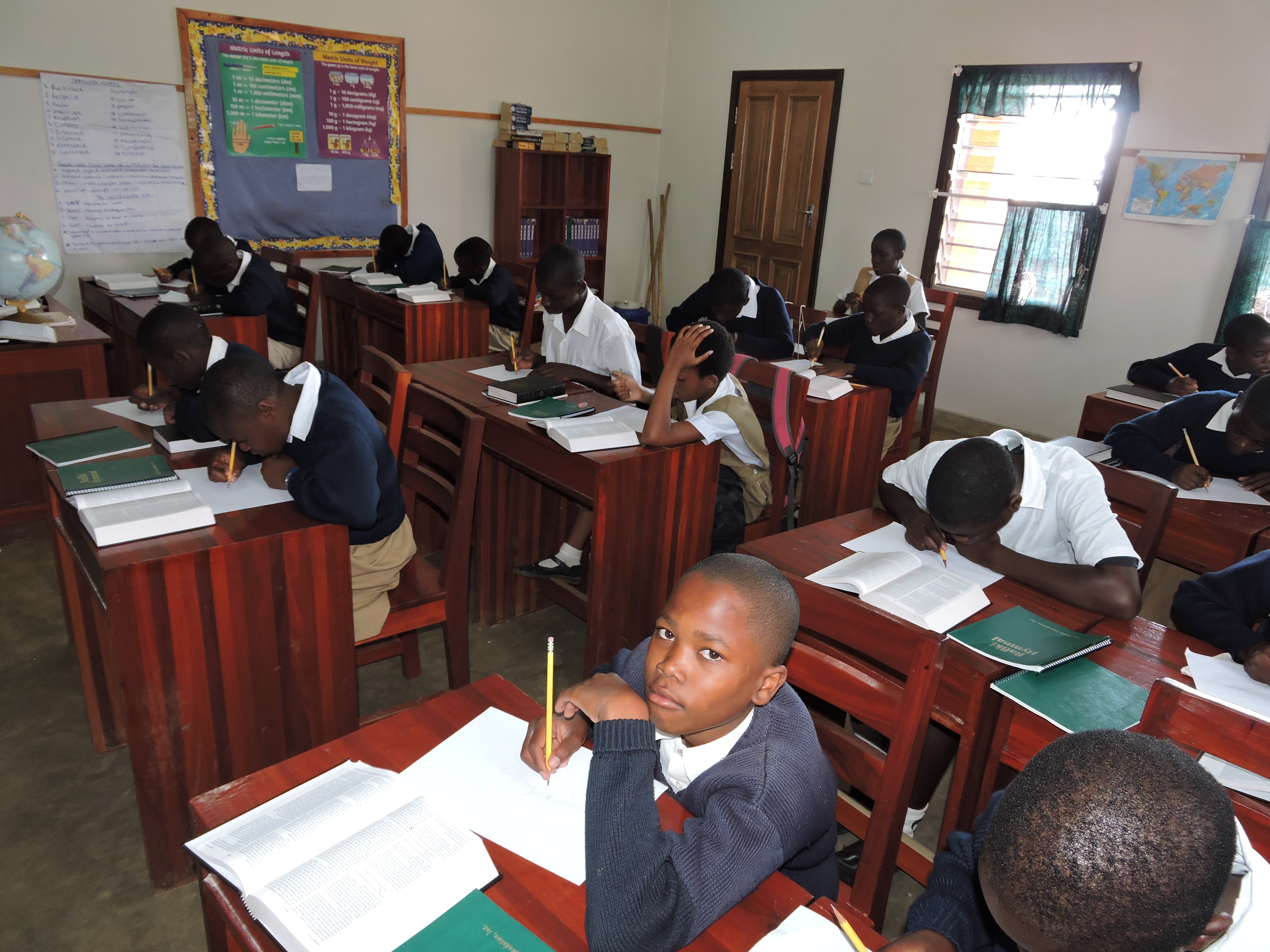
Monday, classes began. I am now substituting for two classes (so far), 6th Grade Bible and RICE Computers (more on that later). I’ve also been tasked to sit-in on classes and provide some advice on how they can be improved. I’m just getting used to their Malawian accent. (Note: The language spoken at home in this part of the country is Chitumbuka with English as the language of government and business. The school is conducted exclusively in English, with all students learning Chichewa, the most prominent native language. English and Chichewa are the country’s two official languages.)

School is strange and yet familiar at the same time. Having taught for over twenty years I am comfortable standing in front of a class and teaching. On the other hand, it’s quite a different classroom and- let’s face it- the students are a little different looking that the typical Calvin Christian student. There ain’t a blond in the bunch. In most ways the students are the same from California to Malawi: I’ve had to remind a boy where we were reading, encourage another to keep all four legs of his chair on the floor, and give someone a pencil who came to class empty-handed. Kids are kids.

They are excited to learn and raise their hands when I ask a question. Today, my Bible class studied Luke 8 and we had a nice discussion on Jesus calming the storm. Having just been to Lake Malawi and the kids having been there on a field trip previously, I was able to help them relate their experience at the lake with the description in the Bible.

Later, I visited a 4th grade “life skills” class and was surprise to hear about AIDs and STDs discussed by the teacher. Also, when the teacher asked for examples of choices one could make the two examples given were:

1. Selling vegetables or not

2. Doing piecemeal work or not

Those would NOT be examples from middle-class American students.

It’s wonderful to be able to help the school by taking on a few classes and relieving the permanent staff for a short time. All in all, on my second day, it’s been a amazing experience.

DSCN0283 DSCN0286DSCN0282

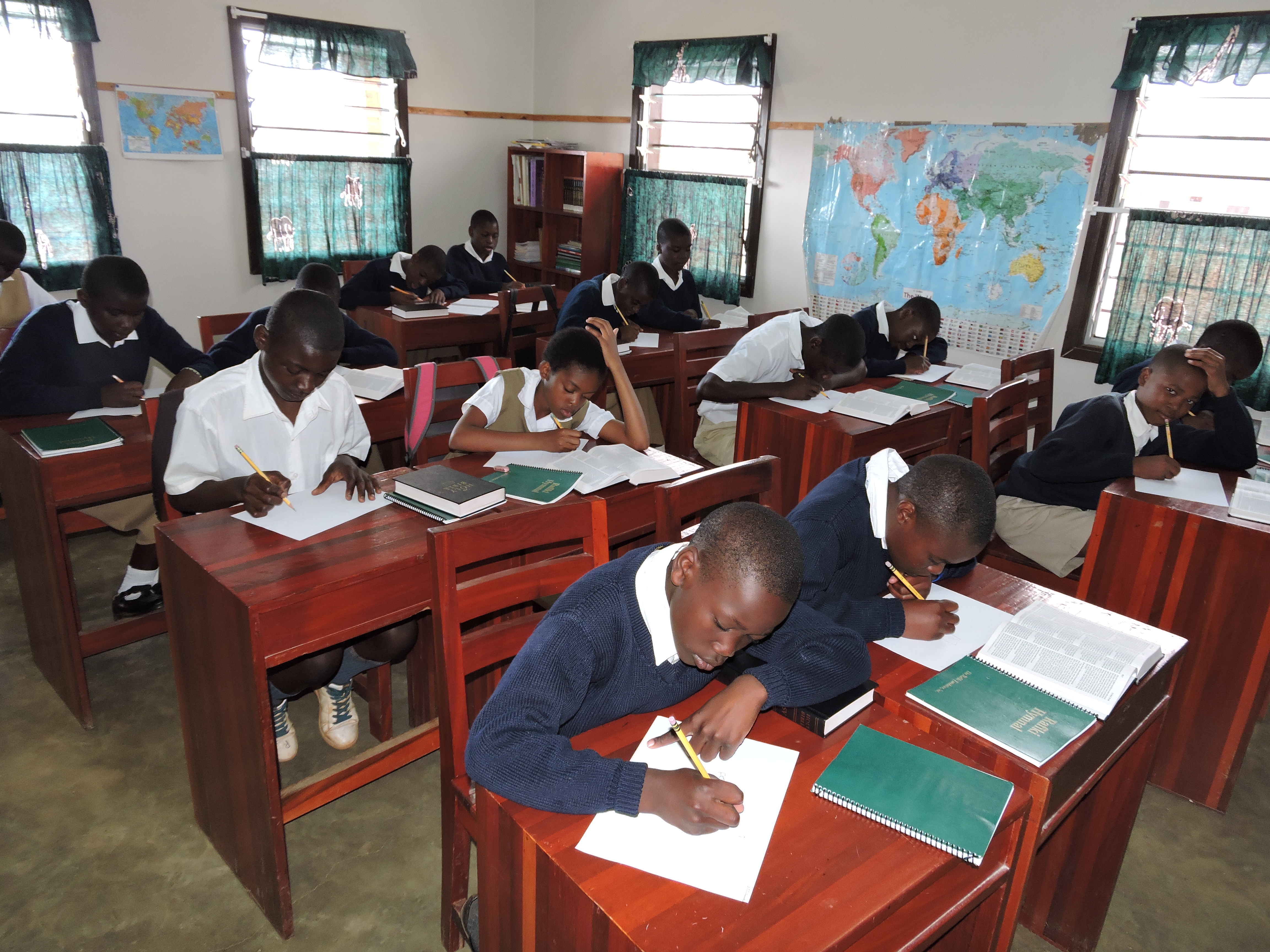
Here are some photos from what is called “Standard Sixth” AKA 6th Grade. As you can see, they are diligent workers … and look sharp in their uniforms.

A Day at the Beach – at Lake Malawi that is

DSCN0234

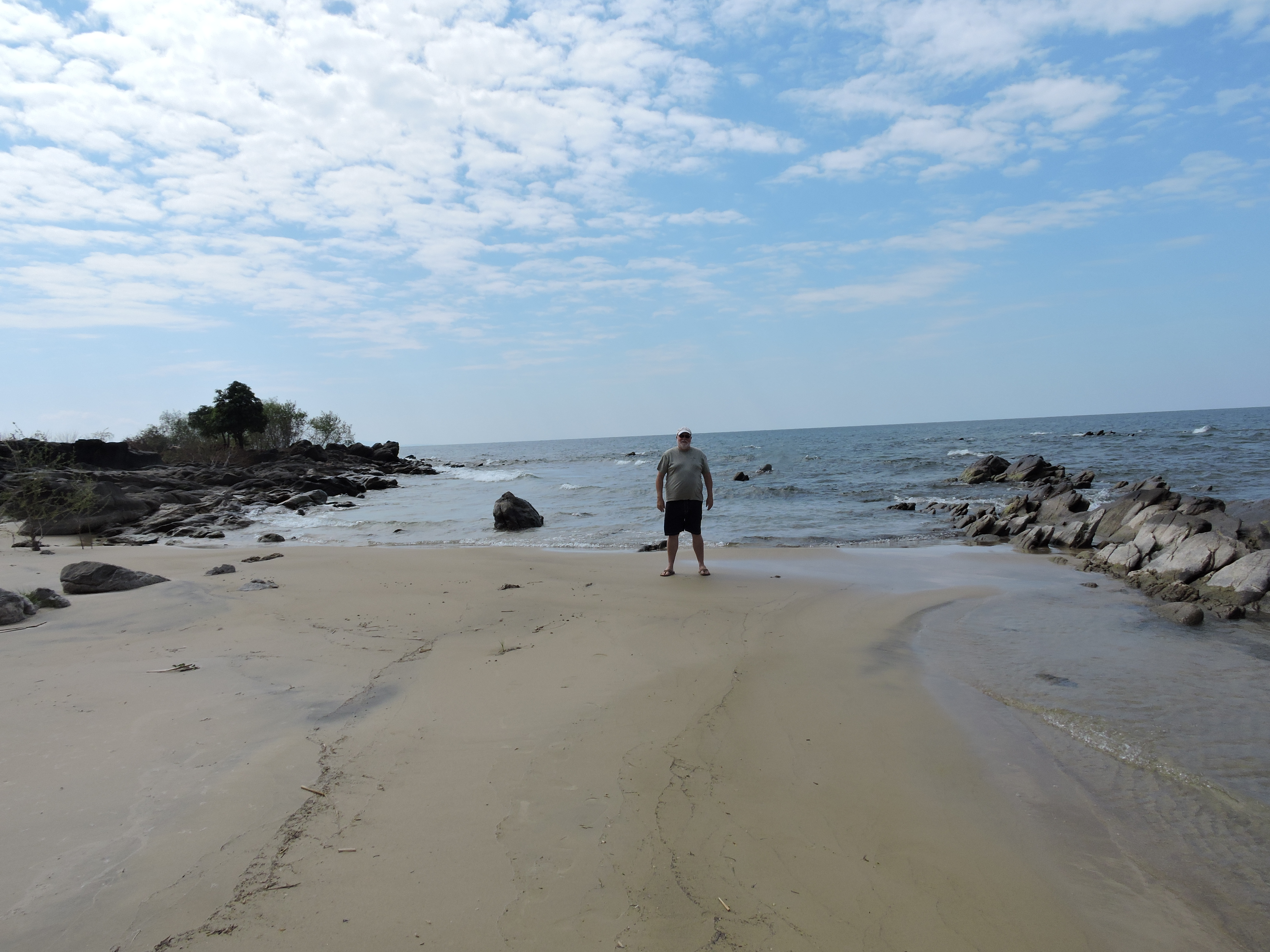
T-shirt, shorts, flip-flops- It’s winter in Malawi. Looking north along the western shore of northern Lake Malawi.

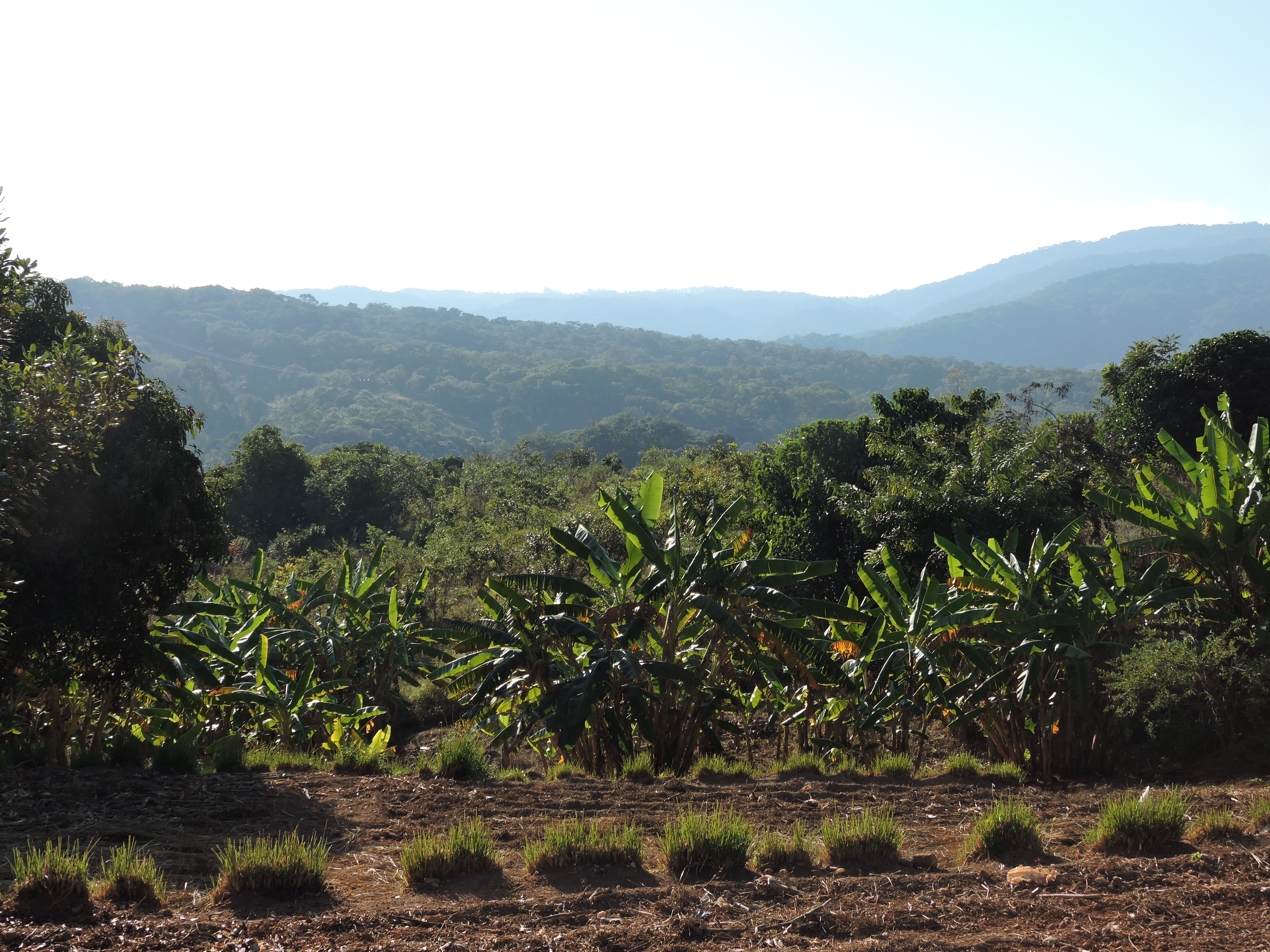
Today I was invited to join Larry and Cindy for a day at Lake Malawi. The lake is a two hour drive from Mzuzu over poor roads. The payoff was worth it. The lake is gorgeous. It’s crystal clear and warm. It’s the third largest lake in Africa, ninth largest in world, and home to more species of fish than any other lake. We waded into the warm water, observed cows grazing, and had a wonderful lunch of the famous Malawian fish, Chambo. Yum. The drive there is impressive in and of itself. Glorious mountains and valleys around every corner.

DSCN0237

Tahoe? Santa Barbara? No, Lake Malawi

DSCN0232

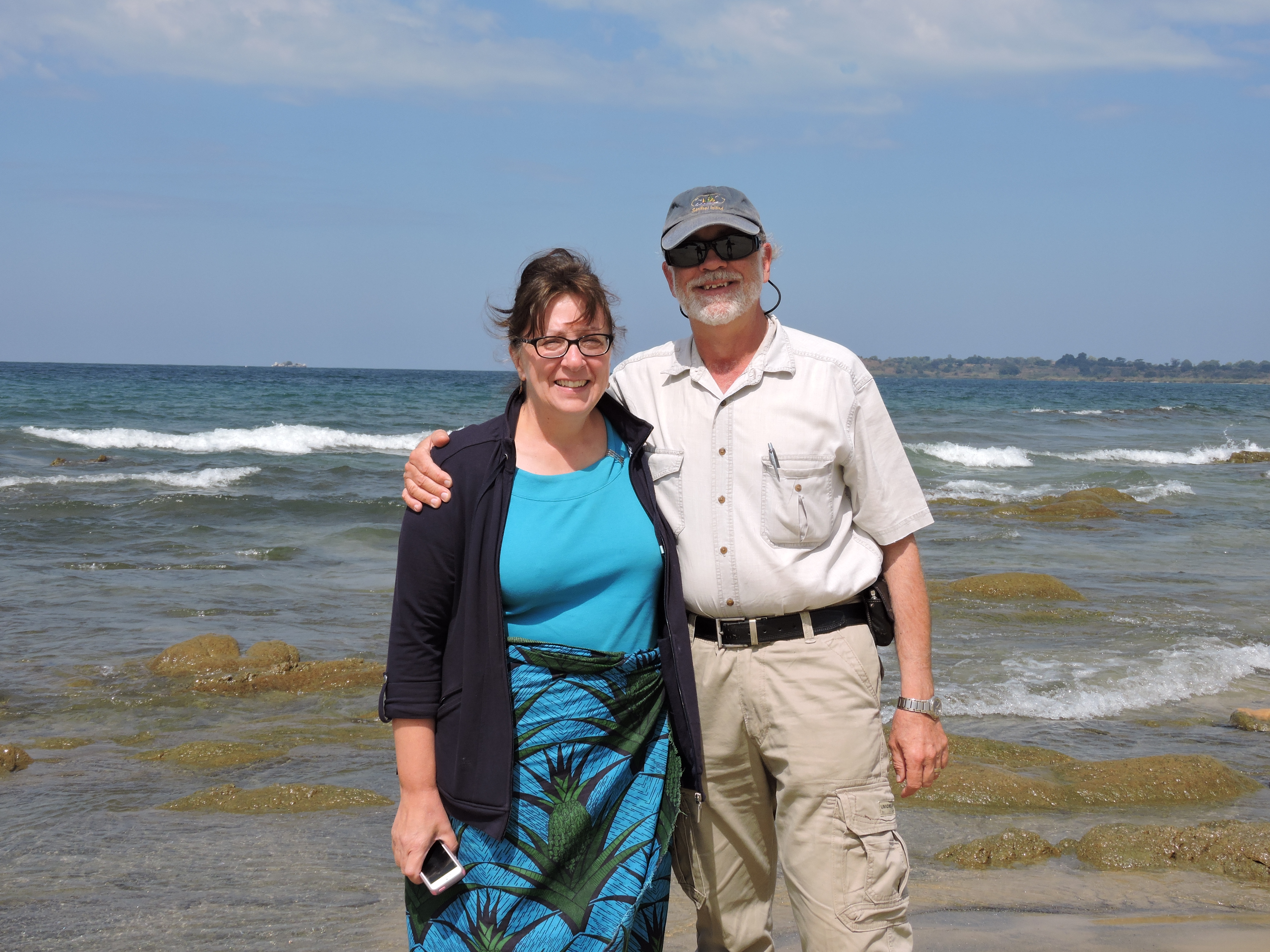
Our hosts for the day, Larry and Cindy Renner

DSCN0231

Even the cows love Lake Malawi

DSCN0253    DSCN0251

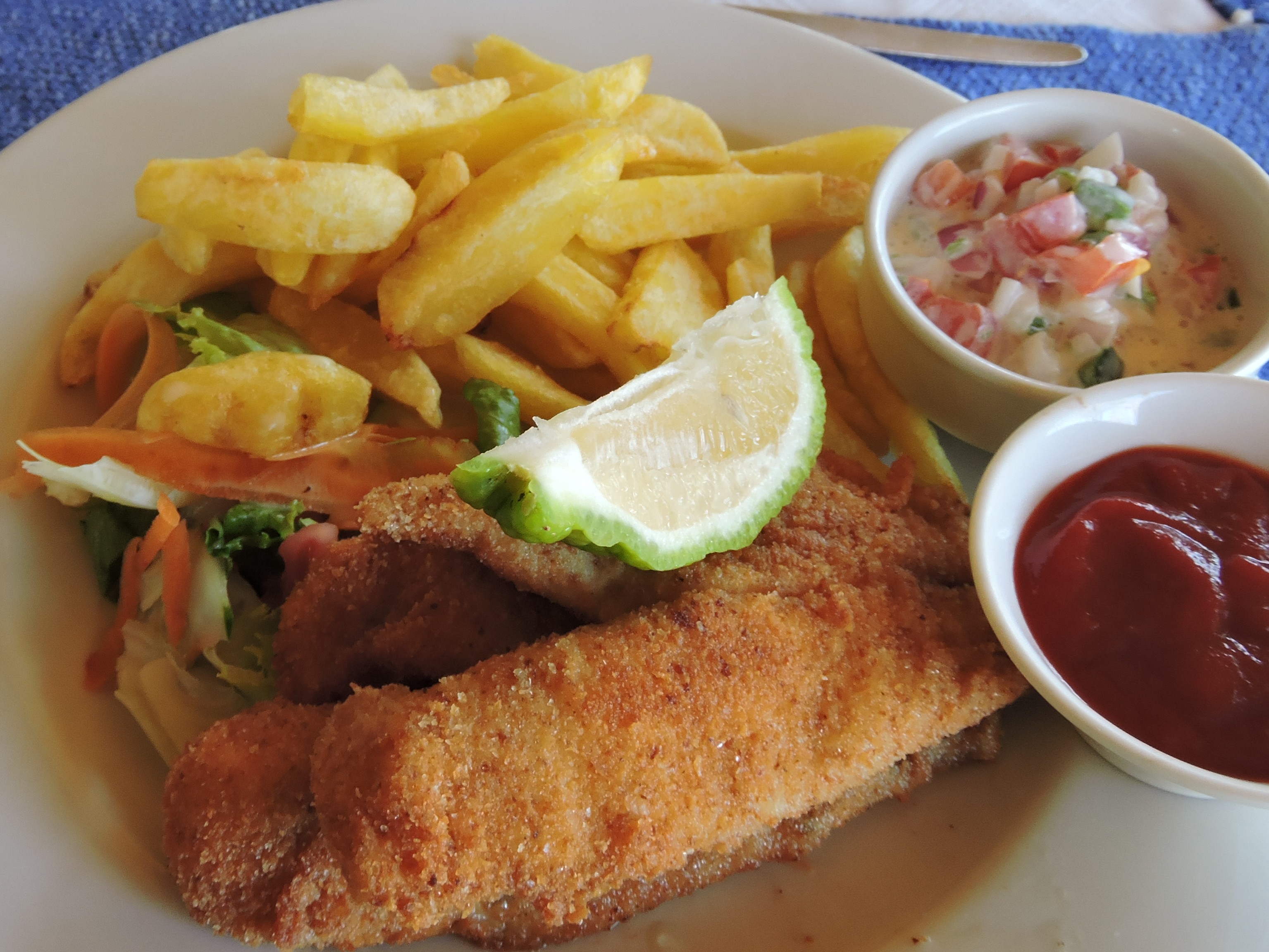
Delicious Chambo fish lunch and a Sprite in an elegant beachfront setting for $10 (the restaurant, Chintheche Inn, is on the beach just behind the Renners. The beach is just in front of them)

Here’s a bit from the drive back.

DSCN0277

SoCal? No, Malawi!

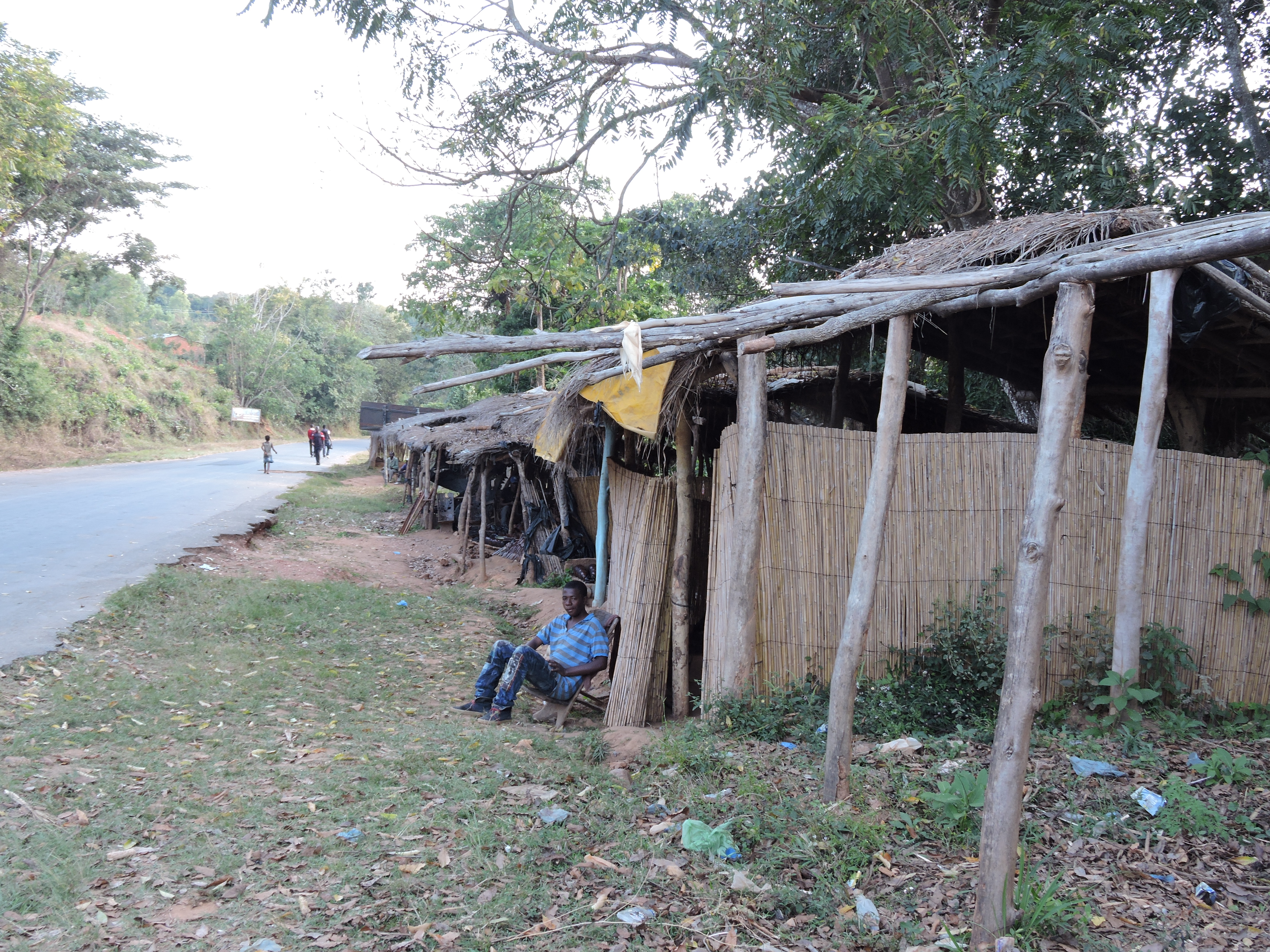
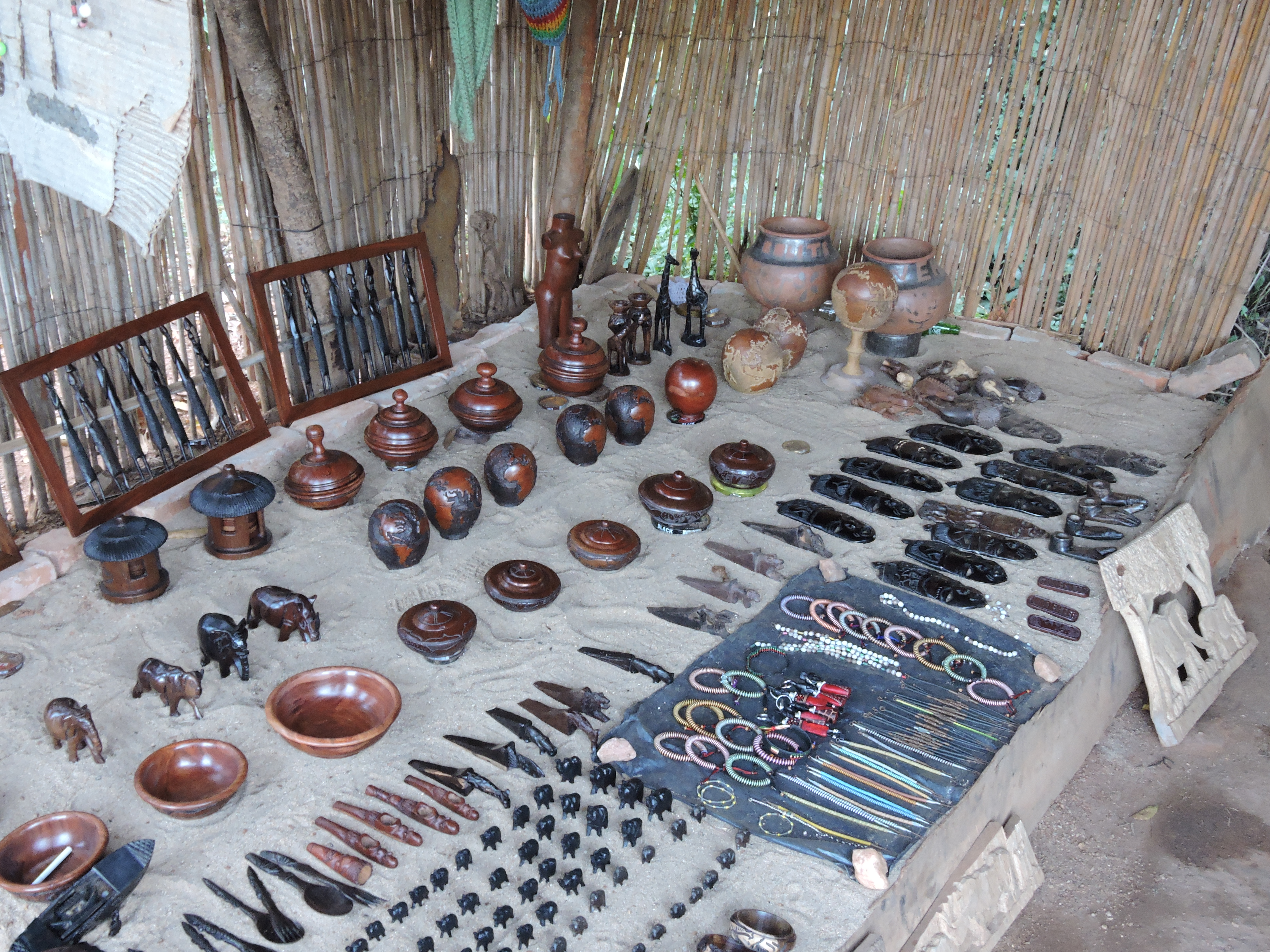
Notice the right drive car. A group of wood carvers set-up along the road selling their wares.

DSCN0264 DSCN0270 DSCN0271

Mzuzu- Our Neighborhood

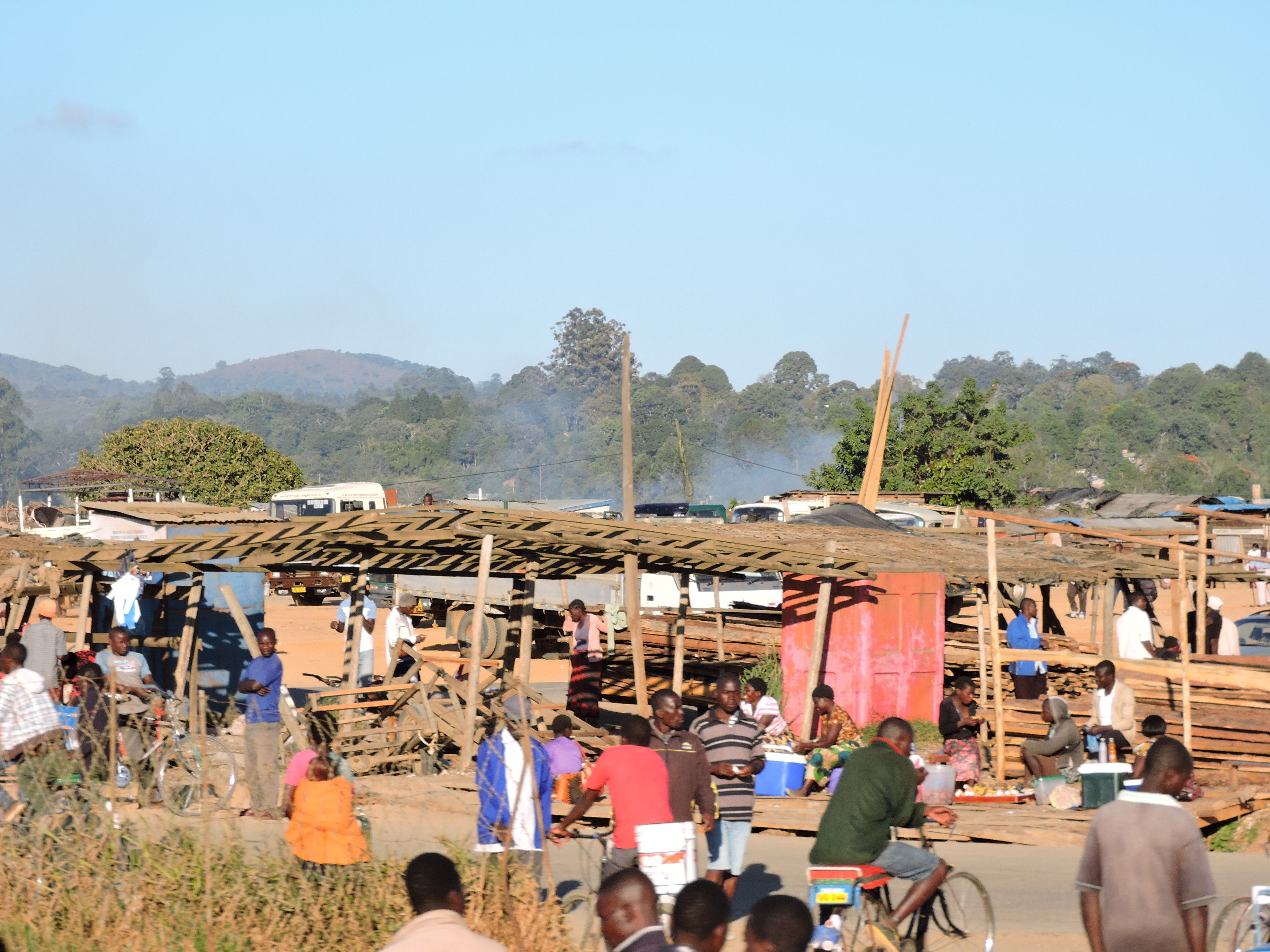
I have previously posted photos inside the Rafiki Village. Our village is modern, well groomed, and professionally managed. But right outside our gate is the real Africa.

The truck is carrying tabacco, one of the few “cash crops” produced in the country. The soil around here is a redish clay, And, as this is the dry season, it can be dusty. My shoes, once a nice grey, are now a greyish red.DSCN0188 DSCN0189 DSCN0190 DSCN0191   DSCN0201 DSCN0202

Mzuzu, where we are located is the third largest city in Malawi. It’s in the northern part of the country. Not surprisingly, being in one of the poorest countries in the world, the city shows its poverty.  It is a little disconcerting to be approached by aggressive panhandlers in the street. One woman crowded around us in a parking lot and wouldn’t leave. Another time, I was casually told that the guy who sold us a newspaper (“Uncle Larry” gave him 3x what the newspaper cost), has TB but can’t get the medicine to treat it. Larry seems to know everyone in town and is well liked. Rafiki, as you can imagine, is a huge economic engine for this town. Employing 70 people, as well as purchasing everything for the 100 children living here is a big financial undertaking. So Rafiki not only takes care of the orphans, but the money for them is leveraged into the economy of Mzuzu.

Oh, and if you’re wondering. There aren’t any animals around. Larry said the only animal he’s see in his 11 months here is a rabbit. There are a few bids. We saw a heron on the grounds yesterday.

Despite this, the people are lovely. I remember leaving the pharmacy with “Uncle Larry” and the manager wished us a “blessed day.” Where do you hear that in the USA?

The Orphans Help the Blind

I have come to Rafiki Malawi during an amazing time. On Thursday, July 9th, the 6th and 7th grade orphans of Rafiki traveled on a field trip outside of Mzuzu to visit the Ekwendeni Blind School. This school houses and educates a couple of dozen blind or nearly blind Malawian children. Why the visit? Cindy Renner, a staff member at Rafiki, knew that the Blind school only had one braille typewriter. She put the word out to her contacts in the USA and three braille writers were found and sent to Africa! Today was the day to deliver them.

DSCN0167

We loaded all our kids into two vans- It looked like clown cars with so many kids crammed into them, but it worked and everyone was comfortable for the hourish ride. It takes a long time due to the poor roads, only one lane of traffic going in each direction, and numerous government road blocks to inspect for tax stickers on vehicles.

DSCN0175

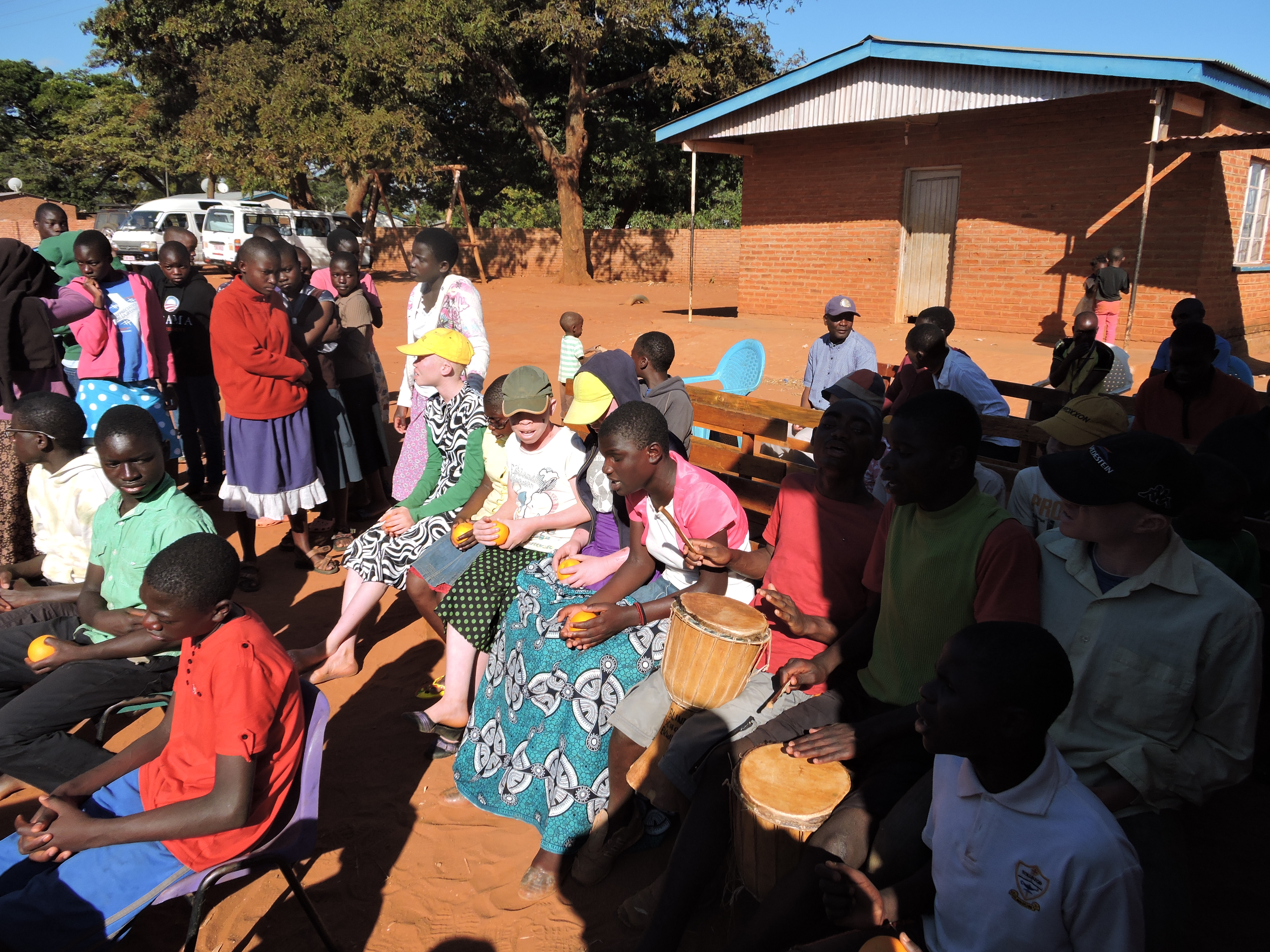
Once at the Blind school, there was quite a program of welcome to us, along with singing from the blind children. The blind school is run by the Central African Presbyterian Church, which has its roots in the Free Church of Scotland and the Dutch Reformed Church of South Africa. The staff of the Blind School were there along with a local tribal chief. Rafiki not only brought the braille writers, but also oranges and some round cheese puffs for all the children (I didn’t taste the puffs, but they are insanely popular).

The Elwendeni children have a difficult life. Not only are they brought up in one of the poorest countries on earth but they are also blind. As if that isn’t enough to deal with, some of them suffer from albinism and have no pigment in their skin. Having black features their skin in totally white (see photos). For these children, blindness is not unusual as are skin cancers. They also suffer from discrimination here in Africa.

Nevertheless, it was wonderful to see the children use the new braille writers, enjoy their snacks, and fellowship with our children from Rafiki.

DSCN0174DSCN0162